






Multiple Payment Options ✔️ Fast and discreet shipping ✔️ Customer Service Monday - Friday 10:00 - 16:00 ✔️ Free Goodies
Fast and discreet shipping!

YIN AND YANG EXPLAINED: MEANING, ORIGINS AND BALANCE IN BODY AND MIND
Briefly explained: yin and yang are two opposing forces from Chinese philosophy that together create balance. Think calm versus action, dark versus light, or female versus male. They are inseparable and constantly alternate.
What is ying and yang?
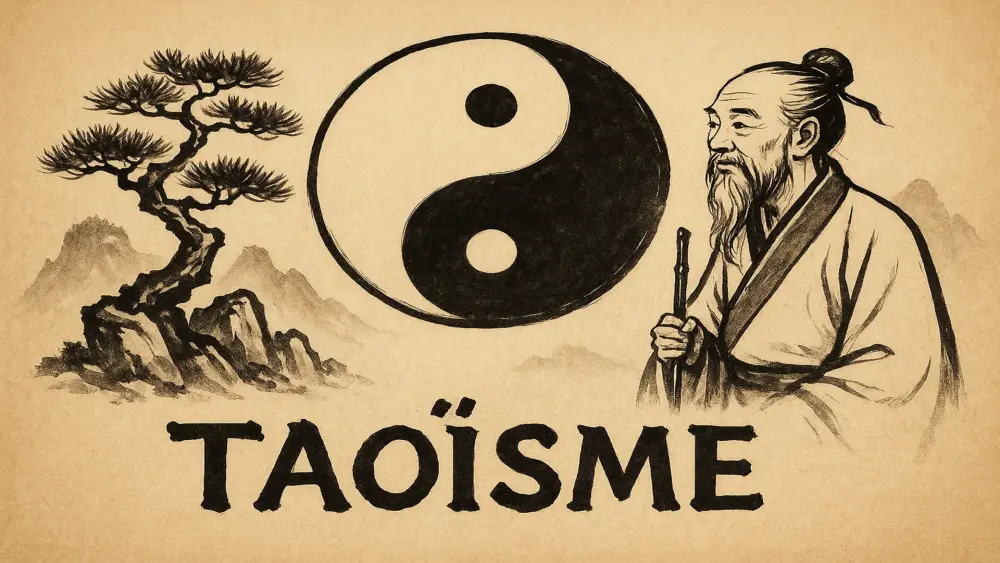
We know yin and yang as the black and white circle with a dot of the other in each half. For some people, this is the symbol of balance. Yet, yin and yang is much more than just this picture. In fact, behind this concept is a profound philosophy that has been central to traditional Chinese medicine for thousands of years.
Spirituality and even nutrition are also influenced by the yin and yang concept. It is only natural that you would like to know what yin and yang is. In this article, we tell you more about this, using scientific sources.
The meaning of yin and yang according to Taoism
Yin and yang are complementary forces that together keep the universe in balance. They derive from Taoism, a Chinese philosophy that originated in the 4th century BC. Taoism says that everything is in constant motion. Also, according to this philosophy, nothing exists without an opposite, which is thus also the case with yin and yang:
- Yin represents the feminine, dark, cold, passive and receiving, such as the night, silence, the moon and water.
- Yang represents the masculine, light, warm, active and creative, such as day, the sun, fire and movement.
According to Taoism, these two forces are not in conflict. On the contrary, they are dependent on each other. There is no light without darkness, without the night there is no day, et cetera. Thus, together they form a dynamic whole, in which one constantly passes into the other.
The origin of the yin-yang concept
The I Ching/Ching, or Book of Changes, contains the first references to yin and yang. This Chinese oracle book dates from around 1000 BC, and later the concept was further elaborated in Taoist and Confucian writings. The symbol we all know today became known only later. It is called the taijitu and was not used more and more until the Song dynasty (960-1279 AD). The black and white halves with opposite dots visually show that yin and yang permeate each other and are always in motion.
Examples of yin and yang in health, nutrition and relationships
The yin and yang concept is applied in various ways today:
- Traditional Chinese medicine: According to traditional Chinese medicine, illness can arise from an imbalance between yin and yang. Treatments often focus on restoring this balance, for example with herbs, nutrition or acupuncture, although their effectiveness has not been scientifically unequivocally proven.
- Meditation and breathing: Yin meditation focuses on calmness and introspection, yang meditation is more active and focuses on energy and visualisation.
- Food: Some foods are seen as yin according to the traditional concept, such as cucumber and tofu, while garlic and chilli are good examples of foods seen as yang.
- Relationships: A healthy relationship contains elements of both yin (caring, listening) and yang (action, taking initiative).
If you yourself want to spiritually integrate yin and yang into your life, you may want to do this with natural supplements and rituals. Some people find that such remedies contribute to their sense of balance between body and mind.
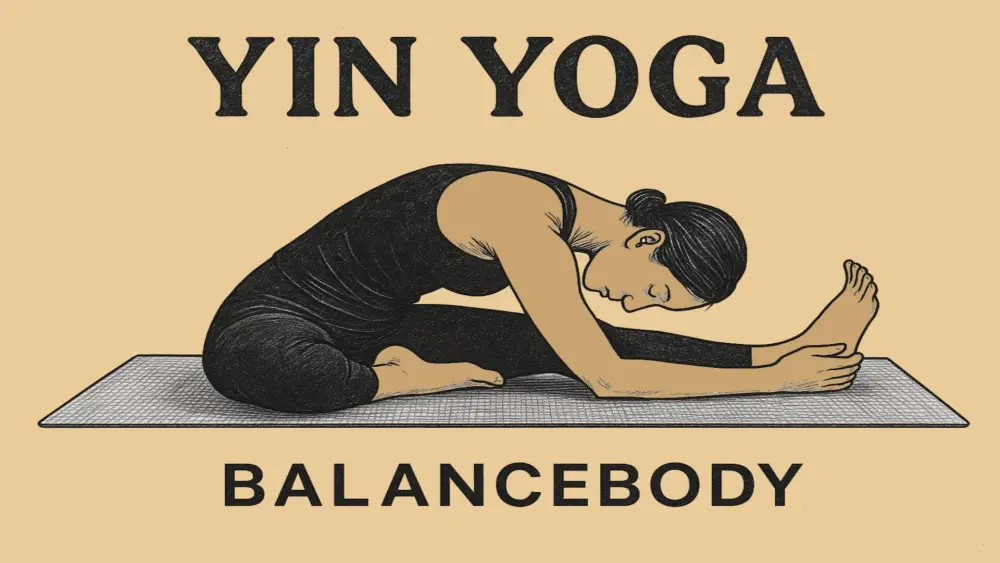
How to find balance between yin and yoga yourself
You can explore for yourself whether your life contains more yin or more yang and where you experience deficits. Here are some questions that can help you:
- Are you often tired and withdrawn? Then you have too much yin. Try more structure, sunlight or stimulating activities.
- Do you feel agitated, stressed or restless? These are symptoms of too much yang. Then seek relaxation, peace and quiet.
Also ensure a balanced lifestyle with attention to sleep, breathing, nutrition and conscious relaxation. Some users report that CBD helps them relax, although this effect is not scientifically supported for everyone.
Scientific view of yin and yang
Although yin and yang are not exact scientific terms, there are common ground with modern understandings of homeostasis. This is the biological principle whereby the body constantly strives for balance, for example in hormones and temperature. In a way, this is similar to the yin-and-yang principle: a disturbance on one side requires an adjustment on the other.
Also in psychology, people often talk about balance, e.g. the balance between sympathetic and parasympathetic nervous systems. The sympathetic system (action, stress response) has similarities to yang, while the parasympathetic system (rest, recovery) has yin-like properties. These systems alternate and this keeps us in balance. In addition, mindfulness and yoga, often influenced by Eastern philosophies, also focus on balancing these two systems.
Disclaimer: The content of this article is for information and inspiration and does not replace medical advice. Always consult a doctor or qualified specialist in case of health complaints. The products of 24high.nl are intended for responsible use and are not suitable for minors or people with health risks. Use mind-altering substances only within the legal framework and with proper preparation.
Written by Elke Folkersma, content developer at Elke Media.
As a professional blogger, Elke focuses on accessible and well-researched content about health, well-being, and responsible consumption. For specialized blogs, she collaborates with reliable sources and recognized professional literature.