





Multiple Payment Options ✔️ Fast and discreet shipping ✔️ Customer Service Monday - Friday 10:00 - 16:00 ✔️ Free Goodies
Fast and discreet shipping!

4:20 lifestyle: what does 420 mean for true cannabis lovers?
For many cannabis enthusiasts, 4:20 is no longer just a moment on the clock. It has become a concept that represents relaxation, creativity, and a certain way of living. You see it in clothing, accessories, and even books. For some, it is a daily ritual, for others a recognizable symbol within a community.
For many enthusiasts, the 4:20 lifestyle is not only about cannabis itself, but also about relaxation, creativity, rituals, accessories, and a recognizable sense of community.
In this blog, we explain what the 4:20 lifestyle involves, where it comes from, and why more and more people see it as part of their daily routine. Without exaggerated claims, but with a realistic perspective on what people personally gain from it.
What is the 4:20 lifestyle?
The 4:20 lifestyle refers to a way of living in which cannabis plays a role in relaxation, creativity, or daily routines. It is not only about use, but also everything surrounding it: accessories, knowledge, atmosphere, and rituals.
Think of moments when you consciously relax, listen to music, engage in creative activities, or simply do nothing for a while. For many people, cannabis is part of this as a way to slow down. Explore everything related to the 4:20 lifestyle in our headshop.
What does ‘420’ actually mean?
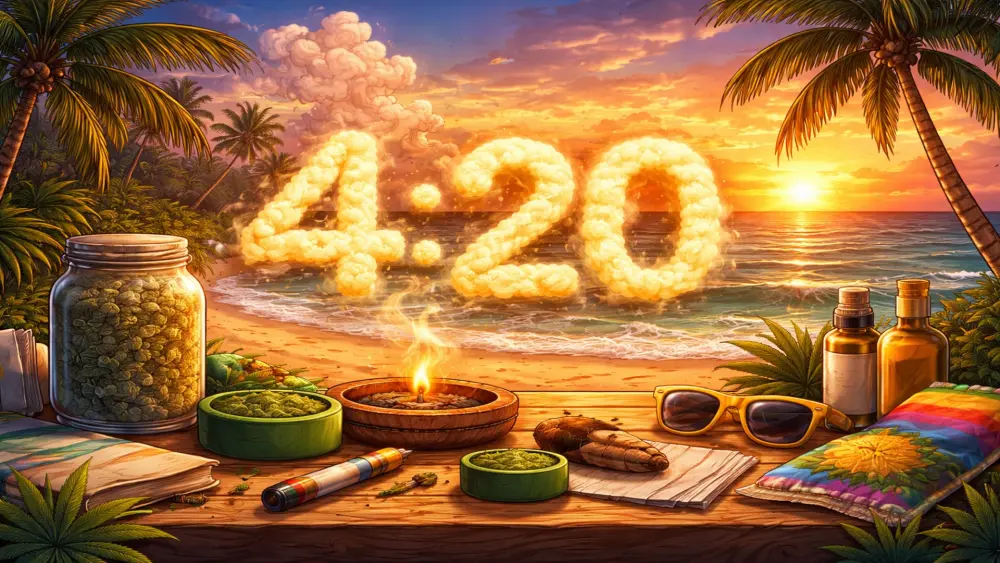
The term 420 originally comes from the United States and became a code word for cannabis use1. It has since become a global symbol representing a shared culture and mindset.
Where does the concept come from?
The origin of 420 lies with a group of young people in California in the 1970s, who met around 4:20 PM to smoke together. The number grew into an internationally recognized concept within the cannabis world.
Today, 420 represents not only that specific moment, but a broader culture of relaxation and connection.
What the 4:20 lifestyle is not
The 4:20 lifestyle does not mean you have to be constantly high. It is not about excessive use or pushing limits. For many people, it is actually about balance, mindful enjoyment, and creating moments for yourself.
What the 4:20 lifestyle does and does not represent
The 4:20 lifestyle is often interpreted in different ways. Below is an overview of how people commonly perceive the lifestyle and what is usually meant in practice.
Often assumed
- The 4:20 lifestyle means using cannabis daily
- It is only about being high
- Only experienced users belong
- It is exclusively about cannabis itself
- It is a fixed routine that is the same for everyone
What users often mean
- Being mindful about relaxation and personal rhythm
- Taking time for rest, creativity, or reflection
- A lifestyle that is also accessible to beginners
- Interest in atmosphere, accessories, and culture
- A personal interpretation that differs per individual
Why people identify with the 4:20 lifestyle
Moments of relaxation
Many people use cannabis as a way to step away from daily pressure. A fixed moment during the day or week can help slow down and unwind.
Creativity and inspiration
Some people experience more creative thinking or find that ideas flow more easily. This varies per person, but is often mentioned as part of the lifestyle.
A recognizable community
The 4:20 lifestyle creates a sense of recognition. You share an interest with others, whether it is music, art, or simply relaxing.
How do you shape the 4:20 lifestyle?
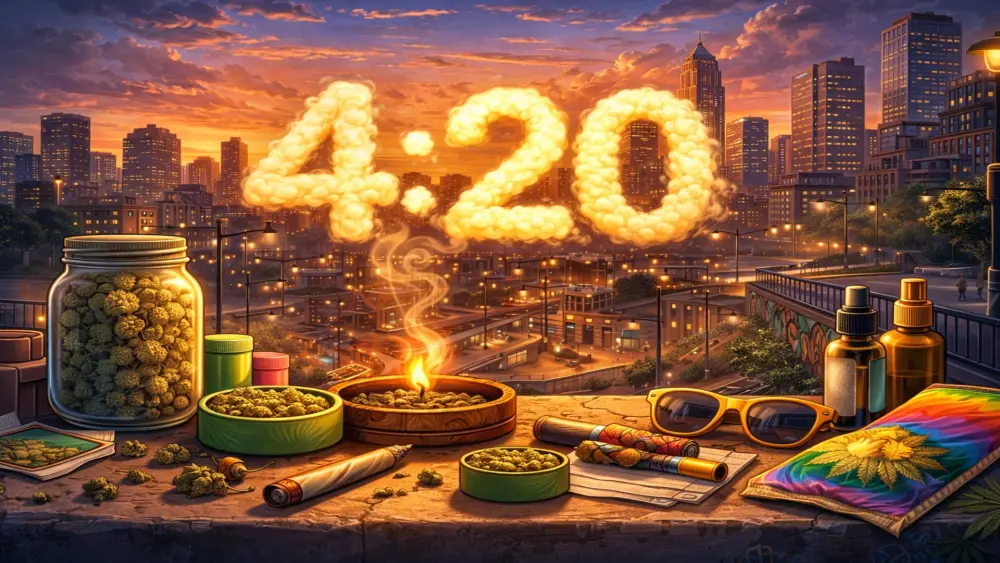
The lifestyle goes beyond the moment itself. It is also reflected in the items you use and surround yourself with.
Accessories and atmosphere at home
A good setting makes a difference. Think of unique items such as ashtrays that match your style and complete your space.
Knowledge and exploration
For those who want to look beyond use alone, there are also books that explore cannabis and the culture around it.
Growing your own as the next step
For many enthusiasts, growing your own cannabis is a logical next step. It provides insight into the process and makes the experience more personal.
Alternatives such as CBD
Not everyone is looking for the same experience. Some people choose a different option without a high, such as CBD products.
The role of context and mindset
How you experience the 4:20 lifestyle strongly depends on your environment and mindset. The place you are in, the people around you, and your intention influence how a moment feels.
For some it is a quiet moment alone, for others a social experience with friends.
What science does and does not say
There is research on cannabis, but the effects vary per person and situation2. There are no universal conclusions that apply to everyone. Therefore, the experience always remains personal.
What should you keep in mind?
Balance
For many people, the 4:20 lifestyle is about balance. It is about enjoying, not overdoing it.
Legislation
Cannabis laws differ per country and region. It is important to know what is allowed locally.
Frequently asked questions about the 4:20 lifestyle
Read more
- The 420 phenomenon
- Looking for 4:20 lifestyle clothing? 24High has it!
- What is a cannabis grinder and how do you use it?
- What is the difference between the cannabinoids THC and CBD?
- The best cannabis strains for indoor growing
Sources
Disclaimer
This information is for informational purposes only and does not replace local advice or professional guidance.