






Multiple Payment Options ✔️ Fast and discreet shipping ✔️ Customer Service Monday - Friday 10:00 - 16:00 ✔️ Free Goodies
Fast and discreet shipping!

Why pH and EC are crucial for cannabis cultivation (measuring and adjusting)
Cannabis pH and EC play a massive role in growing healthy, high-yielding plants. pH and EC levels in cannabis determine how your plant can access and take up nutrients. In this article, I will explain what cannabis pH and EC mean, break down the pH levels needed for growing cannabis, explain what EC is and why it matters, and show how to measure pH and EC correctly.
"Maintaining the correct cannabis pH and EC levels helps plants absorb nutrients efficiently, prevents nutrient lockout, and supports healthy growth and higher yields."
Understanding how pH and EC work together is one of the most important aspects of successful cannabis cultivation. Whether you grow in soil or hydroponics, monitoring these values allows you to provide your plants with the nutrients they need throughout every stage of growth.
Table of Contents
Understanding pH Levels in Cannabis Cultivation
Potential hydrogen (pH) determines how acidic or alkaline a solution is. This is particularly important when discussing cannabis plants, as they require a very specific pH range to access the full range of macro- and micronutrients, as explained below.
What Is Cannabis pH?
pH levels in cannabis can refer to the pH of the water source, nutrient solution and soil. There must be the right pH level in the growing medium and nutrient solution for plants to grow and develop as healthily as possible.
How pH Imbalance Causes Nutrient Lockout
- If the water or nutrients are too acidic or alkaline, plants cannot access them.
- Plants can become starved of nitrogen, phosphorus, potassium and trace elements.
- pH imbalances can also cause nutrient toxicity.
Why Are Cannabis pH and EC So Important for Plant Health?
There are two reasons why cannabis pH and EC are so important. First, the pH needs to remain within an optimal range. If it does not, the nutrients cannot be properly absorbed and used. Second, EC measures the strength or concentration of the nutrient solution.
Ideal pH for Hydro vs Soil Cannabis Growing
If you are growing with organic soil or hydroponic systems, you will need to know the correct pH ranges for optimal nutrient uptake and availability.
What Is the Best pH for Cannabis in Soil vs Hydro?
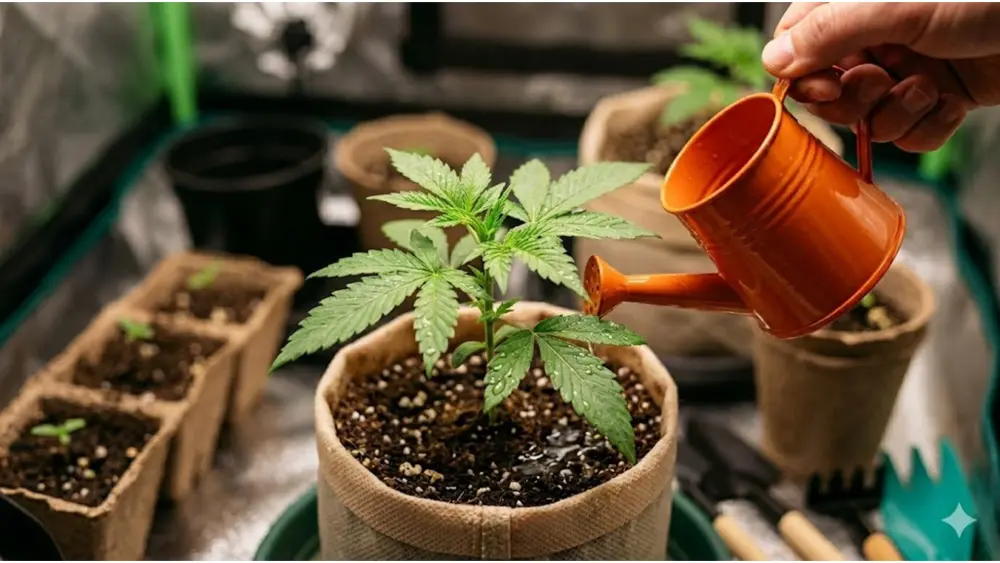
Photo 2 – EC and pH levels play a major role in nutrient accessibility.
- Soil: 6.0–7.0
- Hydro: 5.5–6.5
How to Check Soil and Hydro pH
To check the pH level of cannabis growing in soil, you will need to use a soil pH meter. This device is inserted into the soil and displays the current pH level.
In hydroponics, because you are growing in a soilless medium, the water in the nutrient solution reservoir needs to be checked and frequently monitored. This should be done using a digital pH pen for the most accurate results.
Why Monitoring pH Is Crucial
Without the correct pH range for soil or hydro, your plants will not be able to access much-needed nutrients. Imagine someone putting a lock on the fridge when you are hungry.
Preventing Nutrient Lockout from Incorrect pH
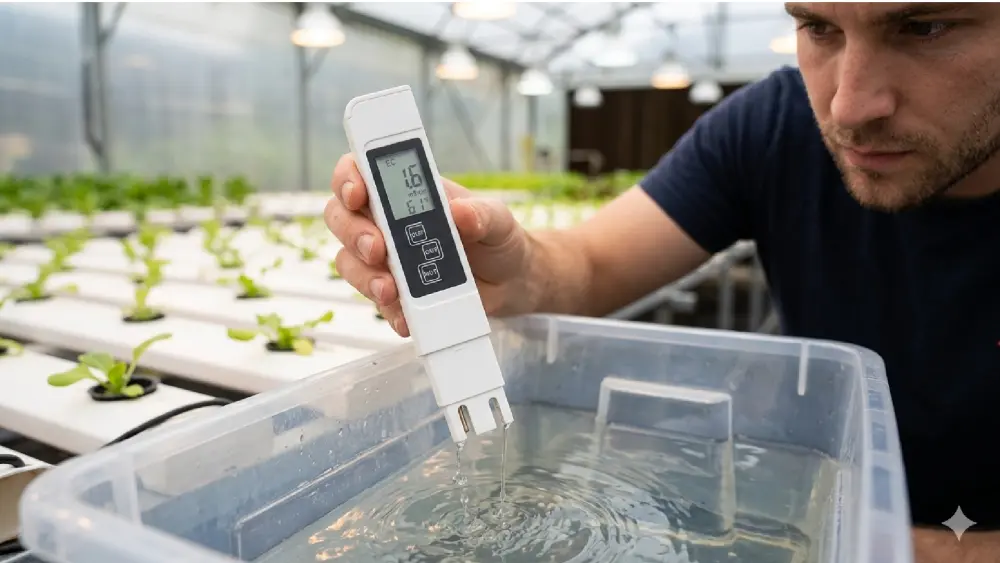
Photo 3 – This grower tests the EC level of a nutrient solution for a hydroponic system.
Nutrient lockout can be a major problem during the seedling, vegetative and especially flowering stages. Let us look at how to prevent nutrient lockout and maintain optimal pH levels.
What Does Nutrient Lockout from Incorrect pH Mean?
Nutrient lockout means that the plant’s roots cannot access or use the available nutrients. Essentially, the nutrients become unavailable, regardless of how much plant food is present.
How to Prevent Nutrient Lockout Using Proper pH Control
- Frequently monitor the pH of your nutrient solution and water source using a digital pH pen.
- Use a soil pH meter to regularly check the pH of your growing medium.
- Use pH-up or pH-down products when necessary, adding small amounts to the water until the desired pH is reached.
- Always check the pH instead of estimating or second-guessing it.
Why Does Not Checking pH Affect Cannabis Nutrient Absorption?
You would be surprised by how many growers do not check the pH levels of their water or nutrient solution. Simply mixing water and nutrients together and immediately feeding the plants is a habit many beginner growers develop. However, this can negatively affect cannabis nutrient absorption.
Why EC Matters for Cannabis Growers
You now know more about pH, so let us look at electrical conductivity, or EC. Optimal nutrient management allows you to grow healthy, robust plants capable of producing high yields. Below, we explain what EC is and why it matters.
What Are Cannabis EC Levels?
Electrical conductivity (EC) is a measurement used to determine how strong or weak a nutrient solution is. It is based on the amount of dissolved mineral salts a water source contains. The more nutrients present in the water, the higher the salt concentration and EC value.
EC is commonly measured in millisiemens per centimetre (mS/cm) or microsiemens per centimetre (µS/cm).
How to Maintain Ideal EC Levels for Cannabis Plants
Nutrient manufacturers usually provide recommended mixing ratios for their products. Using an EC meter or TDS pen is the best way to check the actual concentration of the nutrient solution.
Why EC Levels Matter for Cannabis Growth and Yield
- Low EC levels can cause plants to become deficient in certain nutrients.
- High EC levels can burn plants and cause nutrient toxicity.
- The correct EC level encourages healthy growth and optimal yields.
Measuring EC Accurately
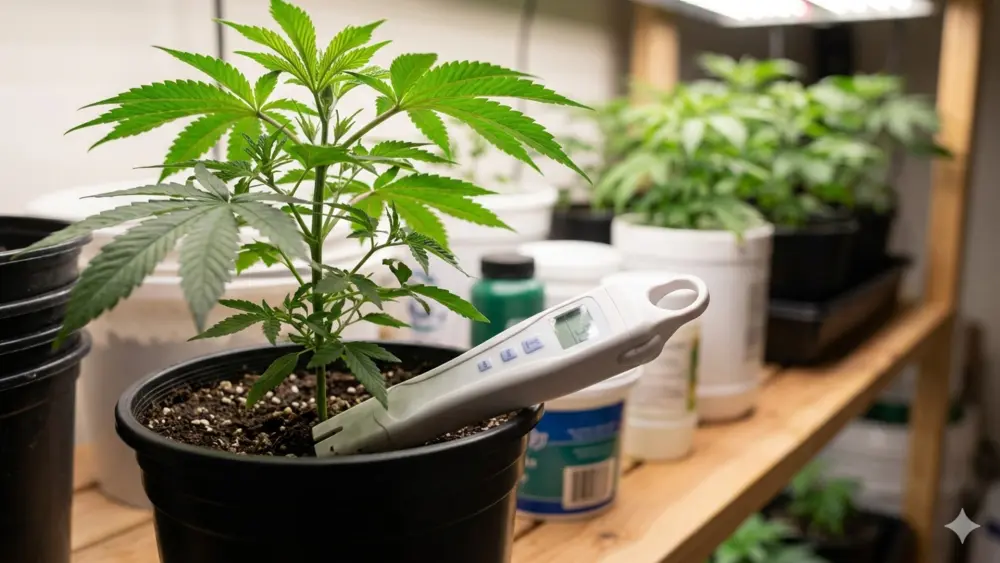
Photo 4 – Maintaining the correct EC levels from seed to harvest will help produce a healthy crop.
Measuring EC correctly allows you to adopt a professional and controlled approach to feeding your plants. The following sections explain the recommended EC levels for each growth stage and provide a step-by-step guide to measuring EC accurately.
What Are the Correct EC Levels When Cannabis Is Growing?
Below is a general guide to EC levels during the different stages of a cannabis plant’s lifecycle.
- Seedling stage: 0.4–0.8 mS/cm (400–800 µS/cm)
- Vegetative stage: 0.8–1.8 mS/cm (800–1,800 µS/cm)
- Flowering stage: 1.8–2.0 mS/cm (1,800–2,000 µS/cm)
Step-by-Step Guide to Measuring EC
- Calibrate your EC meter according to the manufacturer’s instructions.
- Test your water source to establish a baseline reading and write the result down.
- Add the nutrients to the water and stir thoroughly for 30–60 seconds.
- Test the nutrient solution and write the result down.
- Compare the baseline water reading with the nutrient solution reading.
- Once the correct EC level has been reached, you can feed your plants.
Why Measuring EC Accurately Is Key
Measuring EC is the most reliable way to determine the concentration of nutrients your plants are receiving. You can also test the runoff EC level to see whether it is higher or lower than the EC of the original nutrient solution.
High EC levels in the growing medium can result in overfertilisation, nutrient burn and salt buildup.
Reading Runoff EC in Cannabis Plants
Knowing the EC level of the water draining from your pots can tell you a great deal about what is happening around the roots and how nutrients are being absorbed. The following sections explain what runoff is, why it is important and how to measure it.
What Is Runoff EC in Cannabis and What Does It Tell You?
Runoff is the water that drains from the bottom of the pots after watering. The EC of the runoff can provide useful information about the growing medium, nutrient accumulation and how much food the plants are using.
How to Read Runoff EC in Cannabis Plants
- Water the pot and collect a sample of the runoff in a clean plastic cup.
- Place a calibrated EC pen into the runoff solution.
- Compare the runoff EC with the EC of the original nutrient solution.
- If the runoff EC is significantly higher, salts may be building up and the growing medium may need to be flushed.
- If the runoff EC is significantly lower, the plants may be absorbing nutrients quickly and the feeding schedule may need to be adjusted.
Why Testing Runoff EC in Cannabis Soil and Hydro Systems Is Important
Testing runoff can help determine whether you need to increase or decrease the EC, flush the growing medium or adjust how much plant food is provided during the vegetative and flowering stages.
Maintaining the correct EC and pH levels is especially important when using hydroponic systems. Plants grown hydroponically can suffer quickly when the EC level is too low or too high, as they have less buffering capacity than plants grown in soil.
Frequently Asked Questions
Read More
- Browse all cannabis seeds
- How to Use Cannabis Grow Lights Properly – Top Tips for Maximum Yield
- Cannabis Nutrient Deficiencies – How to Recognise and Fix Them
Disclaimer
This article is intended for informational and educational purposes only. Growing conditions, nutrient requirements, and pH or EC values may vary depending on genetics, cultivation methods, growing medium, and environmental conditions. Always follow the recommendations of the nutrient manufacturer and regularly monitor your pH and EC values for the best growing results.