







Multiple Payment Options ✔️ Fast and discreet shipping ✔️ Customer Service Monday - Friday 10:00 - 16:00 ✔️ Free Goodies
Fast and discreet shipping!

How to identify cannabis nutrient deficiencies (complete guide with symptoms & fixes)
When growing cannabis plants, have you ever noticed that your plants do not look as healthy as they should and show signs of nutrient deficiencies? Cannabis nutrient deficiencies are often linked to pH imbalance, EC levels, and root stress [1].
Cannabis nutrient deficiencies occur when plants cannot properly absorb or transport essential nutrients due to incorrect pH levels, EC imbalance, watering issues, temperature stress, or poor root health.
In this article, I explain everything you need to know about cannabis nutrient deficiencies, including what causes nutrient lockout, the signs of nutrient imbalance, and the effects of incorrect pH and EC levels. Whether you grow using regular, feminized, or autoflower cannabis seeds, understanding nutrient balance is essential for healthy plant development.
What Causes Nutrient Lockout in Cannabis?
There are many reasons why a cannabis plant may develop nutrient deficiencies.
This can lead to visible deficiency symptoms. Nutrient deficiencies in cannabis are common, and several factors can influence nutrient-related problems.
- Incorrect pH levels can cause cannabis nutrient deficiencies
- Low EC levels (electrical conductivity) affect optimal nutrient balance
- High temperatures can negatively affect transpiration
- Low temperatures can reduce root health and nutrient uptake
- Underwatering prevents plants from transporting nutrients effectively
- Overwatering can flush nutrients out of the growing medium
- Poor root health and pathogens can lead to nutrient deficiency symptoms
Mobile vs. Immobile Nutrients in Cannabis Plants
Nutrients are classified as either mobile or immobile. Mobile nutrients can be transported from older leaves to support new growth, such as the primary nutrients nitrogen, phosphorus, and potassium. Immobile nutrients remain fixed within plant tissue and include trace elements such as iron, manganese, calcium, boron, zinc, copper, and molybdenum.
How Overwatering or Underwatering Affects Nutrient Problems
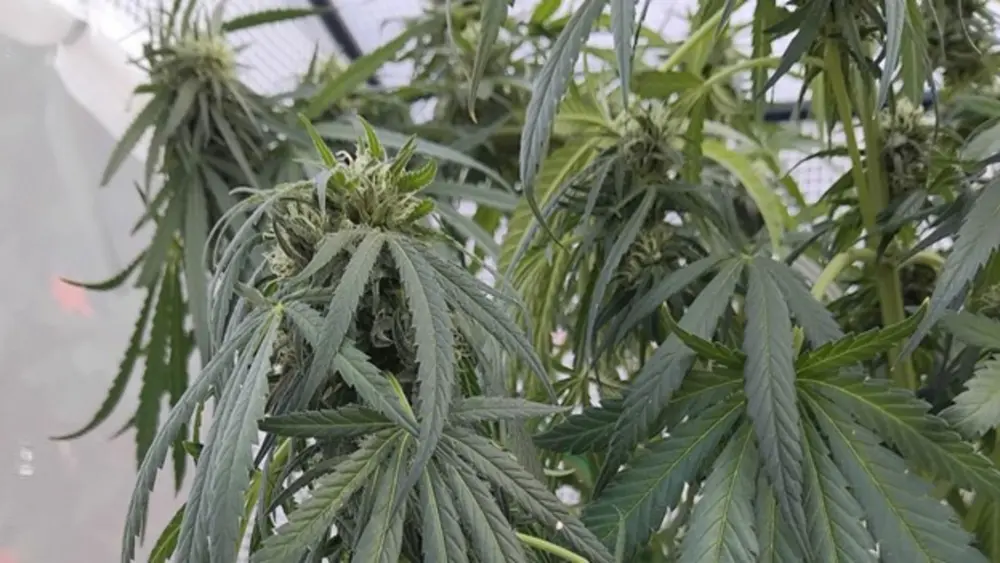
Underwatering Cannabis Plants and Nutrient Deficiencies
- Nitrogen, phosphorus, and potassium cannot be properly transported
- Underwatered cannabis plants grow slowly and become stunted
- Low water availability affects plant metabolism
- Cannabis plants cannot transpire water and nutrients efficiently
Overwatering Cannabis Plants and Nutrient Deficiencies
- Roots receive insufficient oxygen, leading to nutrient deficiencies
- Overwatering negatively affects calcium uptake
- Alkaline nutrients are quickly leached from the growing medium, affecting pH
- Overly wet soil can become more acidic, affecting pH levels
How pH and EC Levels Affect Cannabis Nutrient Deficiencies
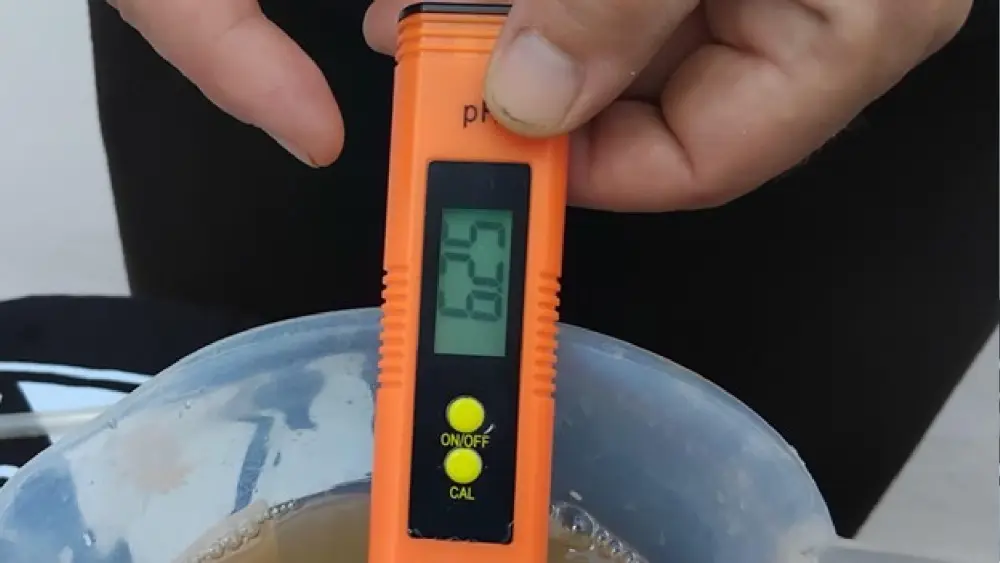
pH refers to the potential of hydrogen and indicates how acidic or alkaline your growing medium is [2]. Cannabis plants require a specific pH range to prevent nutrient deficiencies and ensure optimal nutrient availability and absorption.
EC stands for electrical conductivity and measures nutrient strength. When a nutrient solution is too low or too high in EC, nutrient problems may occur, either due to deficiencies or nutrient toxicity.
- Ideal pH levels for organic cannabis range between 6.0 and 7.0
- Ideal pH levels for hydroponic cannabis range between 5.5 and 6.5
- EC levels during the seedling stage: 0.5 to 1.0 mS/cm
- EC levels during the vegetative stage: 1.2 to 2.0 mS/cm
- EC levels during the flowering stage: 1.8 to 2.6 mS/cm
Step-by-Step Guide to Checking pH – Tools and Equipment
Tools Needed
- Measuring jug
- Digital pH pen
- Pipette
Step-by-Step Instructions
Step 1 – Use a digital pH pen and place it in the water source inside a measuring jug.
Step 2 – Mix your nutrients, then place the pen back into the measuring jug.
Step 3 – The pH should be between 6.0 and 7.0.
Step 4 – Use a pH Up or pH Down product and adjust carefully using a pipette.
Step 5 – Check the pH is correct before feeding your plants.
Signs of Nutrient Imbalance in Cannabis Plants
You may be wondering: how do I know if my cannabis plant has a deficiency? Below is a chart showing common symptoms and possible causes.
Symptoms of nutrient deficiencies in cannabis:
- Yellow fan leaves
- Brown spots on cannabis leaves
- Thin and brittle leaves
- Rust-brown leaf edges
- Curled leaves
- Brown leaves
- Slow growth and stunted plants
- Bluish leaves
- Discoloration between the veins
- Top leaves turning yellow
Causes of the nutrient problem:
- Nitrogen deficiency during the vegetative or flowering stage, or a sulfur deficiency
- Magnesium deficiency, pH issues, high temperatures, too much or too little water, poor air circulation
- Too little water, too much water, heat stress, macronutrient deficiency
- Calcium and magnesium deficiency
- Too much or too little water, heat stress, potassium deficiency or nitrogen toxicity
- Too little water or nutrient burn
- pH imbalance, heat stress, low temperatures, too much or too little water
- Copper deficiency
- Zinc deficiency
- Zinc deficiency, incorrect pH levels
How to Diagnose Cannabis Nutrient Deficiencies
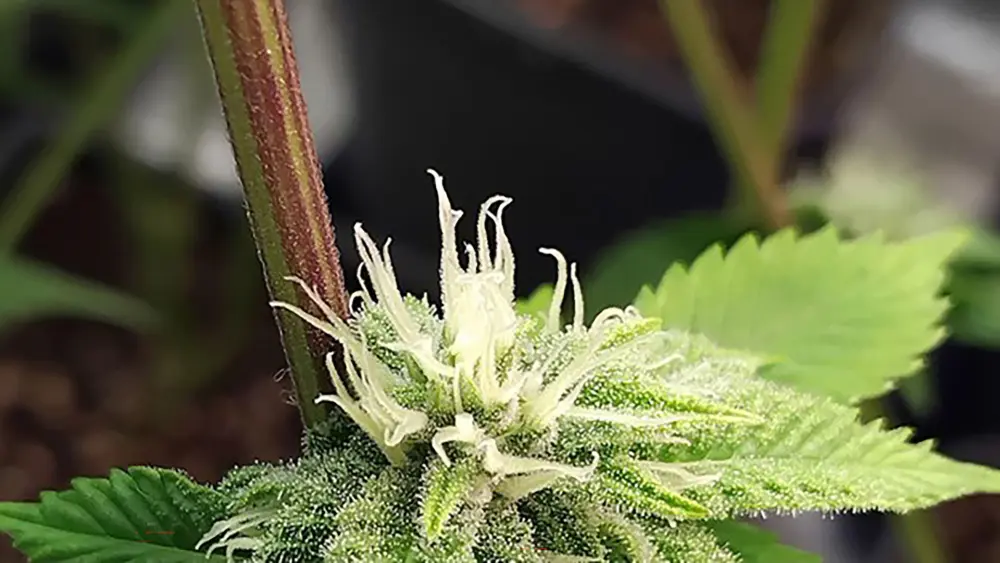
Your plants often show clear signs when nutrient problems occur. Below are ways to monitor plant health and detect potential deficiencies early.
- Inspect both the top and underside of leaves
- The stem should typically remain green
- Monitor plant vitality and overall vigour
How to Fix Nutrient Lockout – Common Deficiencies and Solutions
Top dressing: Using worm castings or compost provides slow-release nutrients.
Adjusting pH levels: Organic cannabis grows typically require a pH between 6.0 and 7.0.
Increasing EC levels: Increase NPK and macronutrient levels where necessary.
Aerated compost tea: Improve the growing medium with beneficial microorganisms.
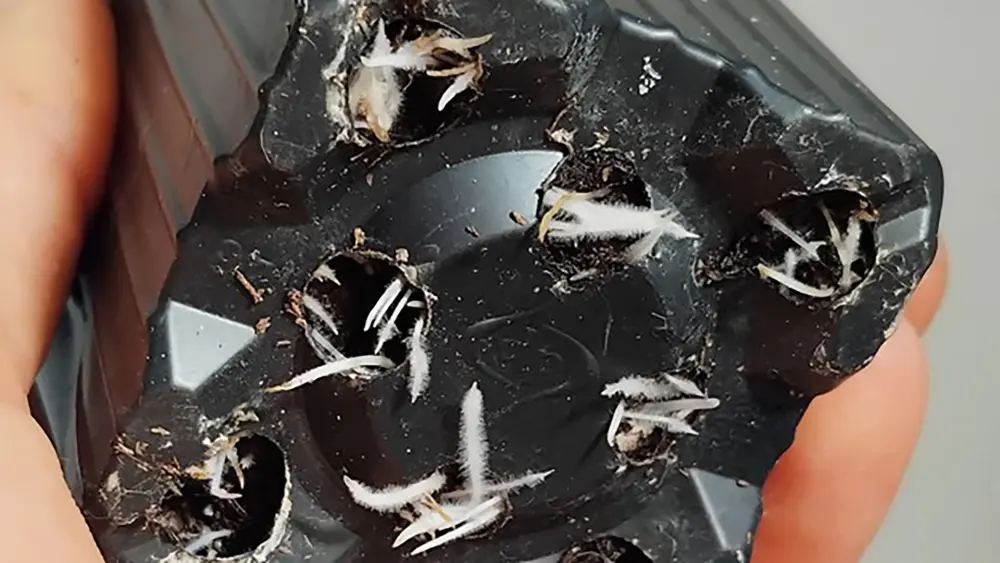
Checking root health: Inspect root colour, smell, and signs of pathogens [3].
My Conclusion on Identifying Cannabis Nutrient Deficiencies
Understanding that most cannabis nutrient deficiencies are caused by incorrect pH levels, improper EC balance, temperature and humidity issues, overwatering or underwatering, and root health problems gives you a strong advantage in preventing nutrient issues. Your plants communicate their needs clearly, so monitoring them regularly helps you detect deficiencies early and maintain healthy growth.
FAQ – Cannabis Nutrient Deficiencies
Read more about this topic
Want to deepen your understanding of nutrient management, pH balance, watering techniques, and plant stress prevention? Explore these helpful guides on the 24High blog:
- How to Germinate Cannabis Seeds Successfully
- Complete Guide to Autoflower Cannabis
- All About Darkening – Speeding Up Cannabis Flowering
By building a strong foundation in pH balance, nutrient strength, watering strategy, and plant health monitoring, you create the conditions for a stable, productive, and resilient cannabis grow.
External sources
- Beginner’s Guide to Cannabis Nutrients – Soft Secrets
- Why pH Is Important When Growing Cannabis – Skunk Global Marijuana Culture
- Repotting Cannabis Plants and Root Health – Soft Secrets
Disclaimer: This article is intended for educational and informational purposes only. Always check local laws and regulations regarding cannabis cultivation in your country or region. 24High does not encourage illegal activities. Results may vary depending on environment, genetics, and experience.