




Multiple Payment Options ✔️ Fast and discreet shipping ✔️ Customer Service Monday - Friday 10:00 - 16:00 ✔️ Free Goodies
Fast and discreet shipping!

Magic mushrooms and trauma treatment: what people are saying online
Many people read and talk about magic mushrooms or magic truffles in connection with themes such as processing, emotion, and inner insights.1 This raises questions. What exactly do people mean when they talk about trauma processing in relation to truffles? And what do users themselves say about their experiences?
In this article, we explain in a calm and clear way what people share online about this topic. We look at what is meant, what is not meant, and what kinds of stories people tell. This is intended to provide context, not to suggest that truffles are a treatment or perform miracles.4
Many people link magic mushrooms or magic truffles online to emotions, inner insights, and trauma processing. In this article, you’ll read what people mean by this, what it does not mean, and what experiences users share—without suggesting that truffles are a treatment or perform miracles.
What are magic mushrooms?
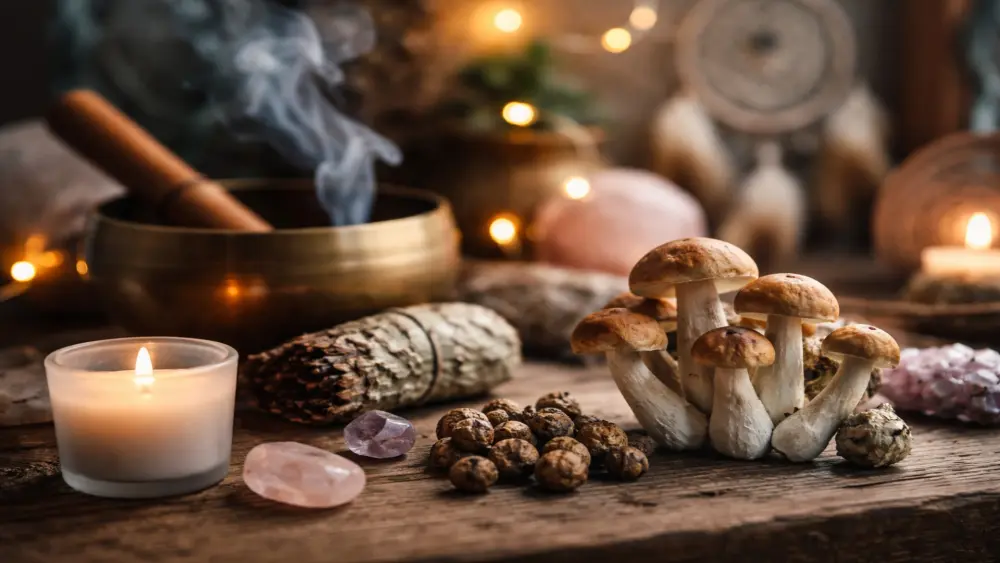
Magic mushrooms is a general term for mushrooms or truffles that contain the substance psilocybin.4 Psilocybin can influence the way you experience thoughts and emotions. In the Netherlands, psychedelic mushrooms are illegal, but magic truffles are legal.1 That’s why this article mainly focuses on truffles.
What does trauma processing mean?
Trauma processing refers to how someone deals with intense or emotionally charged experiences. It does not mean forgetting an event, but rather learning to relate to it in a different way. Everyone experiences trauma processing differently, and there is no single method that works for everyone.
Where does this connection come from?
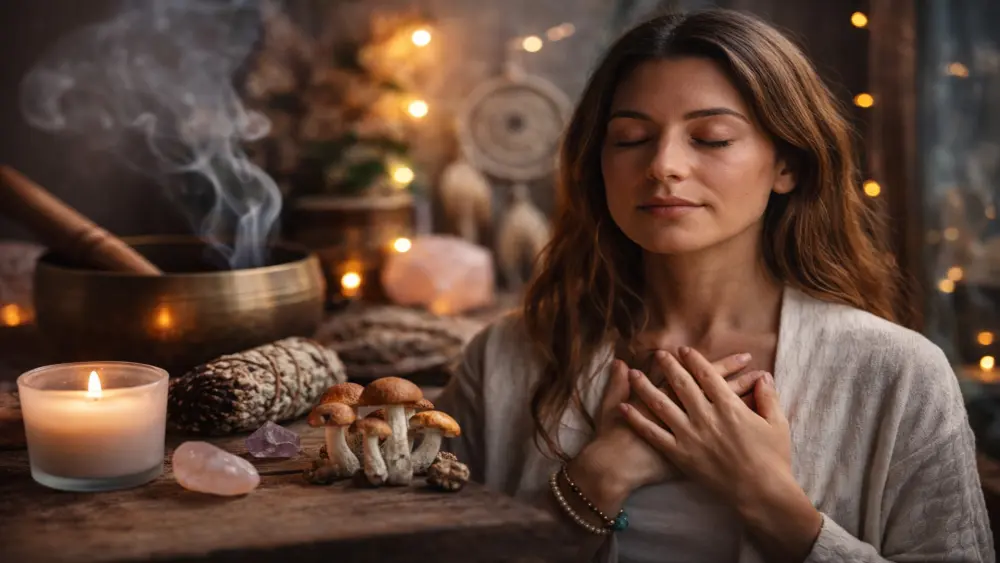
The idea of linking truffles to emotions or trauma processing comes partly from ancient traditions and partly from modern stories. In some cultures, mushrooms were used in rituals to connect more deeply with oneself, reflect on emotions, or gain insight.5
In addition, modern psilocybin retreats offer a guided setting in which participants consciously reflect on their experiences. The focus is not only on the truffles themselves, but also on reflection, conversations, and integration afterward.2
What magic mushrooms are not
Magic mushrooms or truffles are not a medicine and not a recognized treatment for trauma, psychological issues, or mental health conditions.4 They are also not a miracle solution that automatically resolves emotions or removes problems from your life. Experiences are highly personal and can differ from one person to another.
Want to learn more about what magic mushrooms are and how people use them? Check out this article: Why would you use magic truffles?
Why do people use magic mushrooms?
People mention various reasons why they are interested in magic mushrooms. This does not indicate effects, but it does provide insight into what people are looking for.3
Self-reflection
Some people are curious about their inner thoughts and emotions. They want to reflect more deeply on who they are and what they have experienced.
Searching for new perspectives
Experiences with truffles can give some people the feeling that they see things differently or connect with emotions they normally avoid.2 Some stories suggest this can help recognize patterns.
User experiences about emotional insights
Online, you can find experiences from people who say that microdosing or participating in ceremonies helped them see themselves differently. Some also report that feelings of isolation or rigid thinking patterns became less present. For example:23
“After months of microdosing, I felt there was space to feel things I had suppressed for a long time. It gave me clarity about old memories and my relationship with others.”
Note: this is one person’s experience and does not apply to everyone.
How is this process described?
When people talk about their experiences, they often mention aspects such as:
Introspection
The way you look at yourself can receive more attention. Some people say that thoughts and memories take on a different tone.2
Awareness of emotions
Some experiences feel like an opening to emotions that normally stay beneath the surface.3
Connection with others
In some guided ceremonies, participants notice they feel more open toward others because they share the experience together.2
It is important to emphasize that these are descriptive observations from some users or retreats, not scientific proof of specific effects.4
The role of context and expectation
How someone experiences an event can be strongly influenced by:
- set (your mood and intention beforehand)
- setting (the space and environment)
- the expectations you have about the experience
These factors are often considered more important than the substance itself.5
What people often mention
- Self-reflection
- New perspectives
- Emotional insights
- Introspection
- Emotional awareness
- Connection with others
What remains important
- Experiences are highly personal
- It does not apply to everyone
- Context and expectations play a major role
- It is not a recognized treatment
- It is not a miracle solution
- Scientific conclusions are not yet definitive
What science does and does not say
Research is being conducted on psychedelics, including psilocybin, but the results are still preliminary and debated.4 Some studies explore whether it may support emotional processing, but there are no definitive conclusions yet.
What should you keep in mind?
Safety
Psilocybin can create a strong experience. Without proper preparation or guidance, it can feel overwhelming. It is not suitable for everyone.4
Legislation
In the Netherlands, magic truffles are legal, but mushrooms are not. Laws can change.1
Frequently Asked Questions (FAQ)
Related articles
- What are psilocybin truffles?
- How do I use magic truffles?
- Top 10 best mushrooms
- What can microdosing mean when dealing with trauma?
Sources
- Effects of Psilocybin-Assisted Therapy on Major Depressive Disorder
- Psilocybin for Depression Study
- Colorado Sun – Microdosing psychedelics and mental health
- psychedelic-therapy
- Wikipedia – Psychedelic therapy / retreat context
Disclaimer: This article is for informational purposes only and does not constitute medical advice.