







Multiple Payment Options ✔️ Fast and discreet shipping ✔️ Customer Service Monday - Friday 10:00 - 16:00 ✔️ Free Goodies
Fast and discreet shipping!

CAN KRATOM HELP GIVE UP MY DRUG ADDICTION?
Can kratom help people reduce or stop using drugs? This is a question often asked by people looking for support while tapering off certain substances. Kratom is especially mentioned in discussions about opioids. At the same time, it is important to understand that kratom is not an officially recognised treatment for addiction, and scientific evidence supporting this use remains limited.
"Some people choose to use kratom while reducing their use of certain substances. Experiences vary greatly from person to person, and kratom is not an officially recognised treatment for addiction."
In this article, you'll learn what kratom is, how it works, the different types available, why some people use it while tapering off other substances, and the potential risks you should be aware of.
Table of contents
What is kratom?
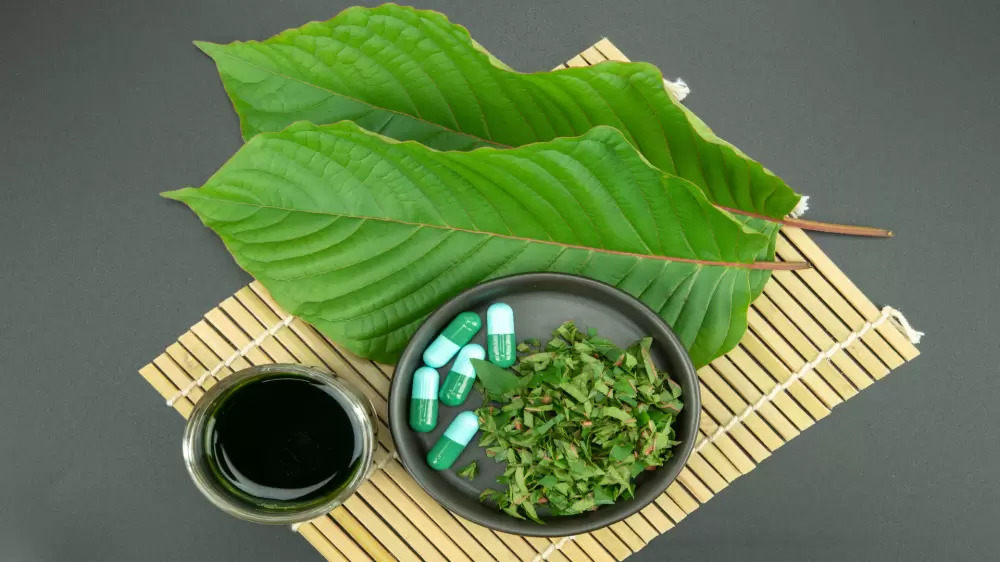
Kratom, also known as Mitragyna speciosa, is a tropical tree native to the rainforests of Southeast Asia. It has been used for generations, particularly in Thailand and Malaysia.
The leaves of the kratom tree contain several naturally occurring alkaloids, including mitragynine and 7-hydroxymitragynine. These compounds are responsible for kratom's characteristic effects. Depending on the strain, dosage and individual sensitivity, users may experience stimulating, relaxing or mood-altering effects.
In many countries, kratom is used both recreationally and as part of personal wellness routines. It is also frequently mentioned in discussions about reducing the use of certain substances. Later in this article, we will explore this topic in more detail.
How do you use kratom?
Traditionally, kratom leaves are chewed, brewed into tea or consumed in other ways. In most European countries, kratom is primarily available as kratom powder.
The experience with kratom can vary considerably from person to person. Factors such as body weight, individual sensitivity, previous experience, frequency of use and the selected strain all play a role. Many users prefer to start with a small amount to see how their body responds before increasing the dosage.
Because kratom affects everyone differently, many people wonder how to approach its use responsibly. If you would like to learn more about why people respond differently to natural products, read our guide on individual sensitivity.
What types of kratom are there?
Kratom is generally divided into three main categories: red vein, white vein and green vein. These names refer to the colour of the leaf veins. Although users often associate each variety with different experiences, the actual effects may vary from person to person.
- Red vein kratom: commonly chosen for its more relaxing properties.
- White vein kratom: often associated with a more stimulating and energising experience.
- Green vein kratom: generally considered a balanced option between red and white strains. A well-known example is Maeng Da White.
The effects of kratom
The effects of kratom largely depend on the dosage, the strain used and the individual's sensitivity.
At lower amounts, users often report increased energy, focus and motivation. Higher amounts are more commonly associated with relaxation and physical comfort. For this reason, some people include kratom as part of their personal wellness routine or lifestyle.
It is important to remember that these experiences are subjective and can vary significantly. What works well for one person may not produce the same results for someone else.
How does kratom work?
The primary active compounds in kratom are mitragynine and 7-hydroxymitragynine. These naturally occurring alkaloids interact with several receptor systems in the body, including receptors involved in mood, comfort and general well-being.
As a result, users may experience effects ranging from stimulating to relaxing, depending on the amount consumed and the specific strain. The duration of these effects varies from person to person but is generally described as lasting several hours.
Why do some people use kratom while tapering?
Some users report using kratom while reducing their use of certain substances, including opioids. One reason often mentioned is that kratom is perceived by some people as having milder effects than traditional opioids.
Others say kratom helps them adjust to changes in their daily routine while reducing substance use. This may include establishing healthier habits, finding more balance or managing temporary discomfort during the tapering process.
However, it is important to emphasise that experiences differ greatly between individuals. Kratom is not an officially recognised treatment for addiction and should not be regarded as a substitute for professional medical care or addiction treatment.
When discussing kratom as a potential aid during tapering, many people wonder when its use may or may not be appropriate. To learn more, read our guide on when to use kratom—and when not to.
What does research say about kratom and addiction?
Several studies have explored the use of kratom among people attempting to reduce opioid use or manage withdrawal symptoms. While some user reports describe positive experiences, there is currently insufficient high-quality clinical evidence to recommend kratom as a proven treatment for addiction.
Health authorities and researchers consistently emphasise that more research is needed to better understand kratom's effectiveness, long-term safety and potential risks. As a result, claims about kratom helping people overcome addiction should always be interpreted with caution.
Can kratom help when reducing drugs or opioids?
Experiences with kratom vary widely. Some users report that it helps them while reducing opioids or other substances, whereas others experience little benefit or different results.
The most important point to remember is that kratom offers no guarantees and is not an officially recognised treatment for addiction. Anyone struggling with addiction, dependency or severe withdrawal symptoms should seek professional medical support.
Can kratom itself be addictive?
Yes. Like many substances that affect the body and mind, kratom may lead to tolerance and dependence when used frequently or over an extended period. Some users report experiencing withdrawal symptoms after stopping long-term daily use.
The likelihood of dependence appears to increase with frequent use, higher doses and prolonged consumption without breaks. For this reason, many experienced users choose to use kratom responsibly, in moderation and not on a daily basis. You can read more in our guide on safe and responsible use.
Possible side effects of kratom
As with many psychoactive substances, kratom may cause side effects. The type and severity can vary considerably from one person to another.
- Nausea
- Dizziness
- Drowsiness
- Restlessness
- Reduced appetite
- Constipation
- Headache
- Tolerance or dependence with long-term use
When should you seek professional help?
If you are struggling with drug addiction, opioid dependence or severe withdrawal symptoms, professional guidance is strongly recommended. A physician, addiction specialist or other qualified healthcare professional can help you reduce substance use safely and manage withdrawal symptoms.
Kratom should never be considered a replacement for medical care, therapy or a professional treatment programme.
Key takeaways
- Some people use kratom while reducing opioids or other substances.
- Experiences vary greatly from person to person.
- Kratom is not an officially recognised treatment for addiction.
- Scientific evidence supporting kratom for addiction remains limited.
- Long-term or daily use may lead to tolerance or dependence.
- Professional guidance remains the safest option for addiction and severe withdrawal symptoms.
Frequently Asked Questions about Kratom and Addiction
Conclusion: Can Kratom Help Reduce Drug Addiction?
Some users report that kratom has supported them while reducing their use of certain substances, including opioids. However, experiences differ significantly from person to person, and the available scientific evidence remains limited.
Kratom is not an officially recognised treatment for addiction and may itself lead to tolerance or dependence when used frequently or over a long period. Anyone struggling with addiction, dependency or severe withdrawal symptoms is strongly advised to seek professional medical support.
For many people, the search is not only for an alternative substance but also for a way to regain balance and move forward. If you're interested in understanding what people are often seeking during these journeys, read our guide on what people are really looking for.
Would you like to learn more about kratom itself? Read our article about how kratom works.
Disclaimer
This article is intended for informational purposes only and should not be considered medical advice. If you have questions about addiction, dependency or your health, please consult a physician or another qualified healthcare professional.