










DATURA (THORN APPLE): WHY THIS HALLUCINOGENIC PLANT IS LIFE-THREATENING

Datura, also known as Thorn apple, is a plant in the nightshade family with extremely potent hallucinogens. Due to the presence of tropane alkaloids, Datura can lead to severe poisoning, mental disturbance and even death. This blog explains what Datura is, how it works and why use is life-threatening.
What is Datura (Thorn apple)?
Datura is a poisonous plant with hallucinogenic properties due to substances such as atropine and scopolamine. Even small amounts can lead to severe poisoning, hallucinations and heart problems. The plant is often mistakenly seen as a 'natural trip drug', but the risk of permanent damage or death is high.
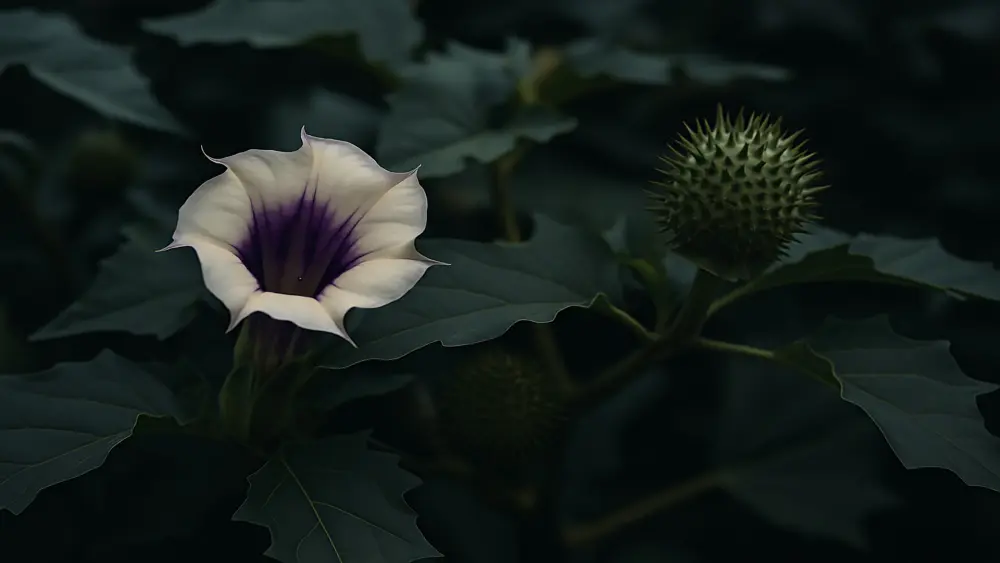
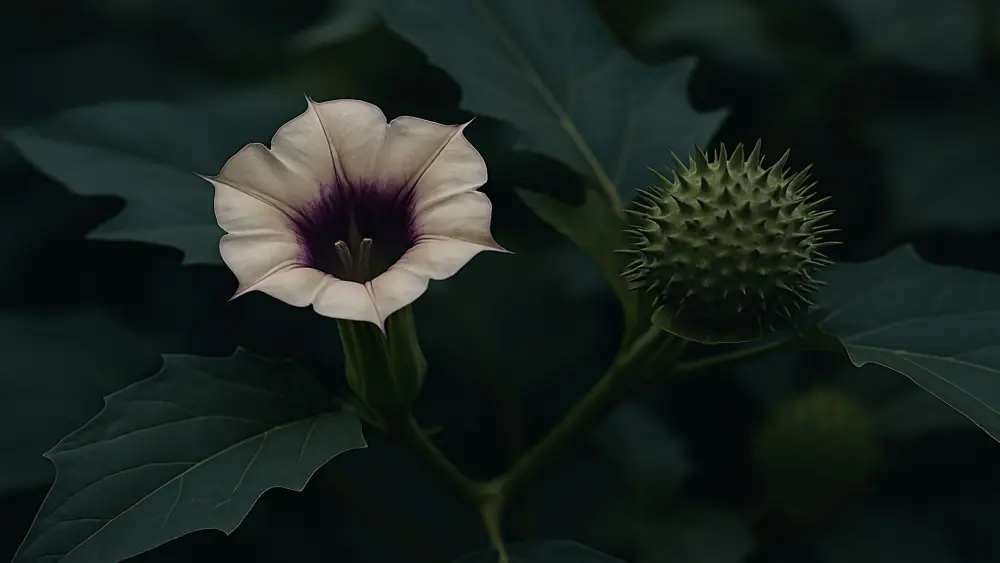
The Datura plant, known in English as Devil's Weed or Devil's Trumpet, is notable for its large, trumpet-shaped flowers. Although graceful in appearance, each flower, seed and leaf contains dangerous alkaloids. Use for spiritual or recreational purposes is therefore irresponsible. This text is for informational purposes only and does not replace medical advice.
What are the active substances in Datura, and why are they dangerous?
Briefly explained: Datura's toxic effects come from tropane alkaloids: atropine, scopolamine and hyoscyamine. These substances affect the nervous system, cause hallucinations, and can cause respiratory arrest or heart failure. The concentration varies from plant to plant, increasing the risk of fatal overdose.
Datura contains three main toxic substances:
- Atropine: Can cause confusion, blurred vision and increased heart rate.
- Scopolamine: Causes hallucinations, memory loss and disorientation.
- Hyoscyamine: Can be lethal in wrong doses.
The exact composition varies by plant and growing site, making dosing impossible. More information can be found in this scientific article on PubMed Central.
How does Datura work in the body and what are its effects?
Datura affects the nervous system and blocks the transmission of neurotransmitters. This causes hallucinations, confused behaviour and extreme thirst. The effects can last up to 72 hours and often lead to total disorientation.
The effects usually occur within 30 minutes to 4 hours after ingestion. Many users experience what they describe as a "living nightmare". The hallucinations are not colourful or pleasant, but intense, disturbing and confusing. Users often forget they have taken a drug, leading to dangerous behaviour or accidents.
- Disturbed sense of time
- Conversations with imaginary persons
- Colour distortions and paranoid thoughts
- Panic attacks and memory loss
What are the symptoms and physical risks of Datura poisoning?
Symptoms of Datura poisoning include dry mouth, dilated pupils, palpitations, hallucinations and delirium. Severe cases can lead to organ damage, unconsciousness or death. Immediate medical attention is necessary.
- Dry mouth and throat
- Dilated pupils
- Rapid heartbeat and high blood pressure
- Ataxia (impaired coordination)
- Delirium, fever and confusion
- Liver and kidney problems
According to an article on ScienceDirect, Datura is harmful to several organs. No safe dose can be established; even small amounts can be fatal.
What does Datura do to your brain and psyche?
Datura causes complete disorientation and loss of sense of reality. The user experiences convincing hallucinations and can no longer distinguish what is real. This can lead to permanent psychological damage or psychosis.
Unlike other psychedelics, Datura does not cause an introspective or insightful experience, but total confusion. Many users report traumatic memories or long-term anxiety disorders after use.
Why is Datura banned in the Netherlands?
Datura is banned in the Netherlands because of the high risk of poisoning and death. The plant is listed in Appendix II of the Commodities Act Decree on Herbal Preparations and may not be sold or incorporated into products.
According to the RIVM, Datura is a banned herb. Use is not only dangerous but also punishable. Ingestion can lead to acute hospitalisation. Inform medical professionals that it is anticholinergic poisoning.
What should you do in case of (suspected) Datura poisoning?
Important to know: Call 112 or the National Poisoning Information Centre immediately. Do not leave the person alone, do not give food or drink and mention that it is Datura (anticholinergic poisoning).
- Call emergency medical services immediately.
- Do not leave the victim alone.
- Prevent the person from injuring themselves.
- Follow instructions from emergency workers and give information about what has been ingested.
Why should you never use Datura?
To summarise: Datura is not a 'natural psychedelic', but an extremely poisonous plant. The risks do not outweigh the experience. Use can cause permanent damage to the brain, heart and psyche, or end fatally.
There is no safe way to use Datura. Every part of the plant contains unpredictable amounts of toxic substances. Avoid any contact with extracts, teas or seeds, even out of curiosity or experimentation.
Frequently asked questions about Datura (Thorn apple)
Important disclaimer
The sole purpose of this blog is to warn about the risks of Datura. We do not endorse or encourage the use of hallucinogens. If you suspect poisoning, contact a doctor immediately.
About the author
This blog was written by Mirjam Sprenger, copywriter for the Language Domain. She specialises in topics around health, nutrition and supplements, with an emphasis on clear, factual and reliable information. The content of this article was compiled from current scientific sources, including publications from PubMed Central, ScienceDirect and the RIVM.