







Multiple Payment Options ✔️ Fast and discreet shipping ✔️ Customer Service Monday - Friday 10:00 - 16:00 ✔️ Free Goodies
Fast and discreet shipping!

WHAT ARE THE BEST ALTERNATIVES TO AYAHUASCA?
Ayahuasca is a traditional plant-based brew from the Amazon region known for its intense psychedelic effects. Many people use it in ceremonies to gain insight or experience healing. However, ayahuasca is not suitable for everyone, for reasons of safety, legality, or medical conditions, some people look for alternatives.
This article explores safe and scientifically researched alternatives such as psilocybin, ketamine, MDMA, and breath work. These substances are only studied and applied within controlled clinical settings under professional supervision. Experiences from clients and patients who have undergone these therapies provide additional insight into their potential effects.
What is ayahuasca?
Ayahuasca has become a well-known brew, but many people still don’t know exactly what it is. Let’s change that! Ayahuasca is a traditional plant drink from the Amazon rainforest. Its popularity stems from the psychedelic experiences it induces. According to some users and scientific studies, there are also indications of potential therapeutic effects, which is why ayahuasca is often used. Still, a growing number of people are looking for alternatives to ayahuasca — mainly for reasons of safety, legality, medical contraindications, or simply to explore other therapeutic approaches.
Why would you use alternatives instead of ayahuasca?
There are several reasons why some people prefer to avoid ayahuasca and choose alternatives instead:
- Safety and side effects: Ayahuasca contains both MAOIs (monoamine oxidase inhibitors) and DMT, which can cause severe interactions with many medications, often resulting in nausea and vomiting. Some users also report psychological aftereffects or acute stress during ceremonies. You can read more about ayahuasca’s side effects in this 2022 study by Bouso et al..
- Legal and practical reasons: In many countries, DMT is illegal, and therefore so is ayahuasca. This forces people to travel abroad for ceremonies. Alternatives are often more practical and accessible.
- Medical contraindications: Because of its MAOI properties and intense psychological effects, ayahuasca is not suitable for everyone. People with certain heart or psychiatric conditions should avoid it.
The best ayahuasca alternatives according to scientists
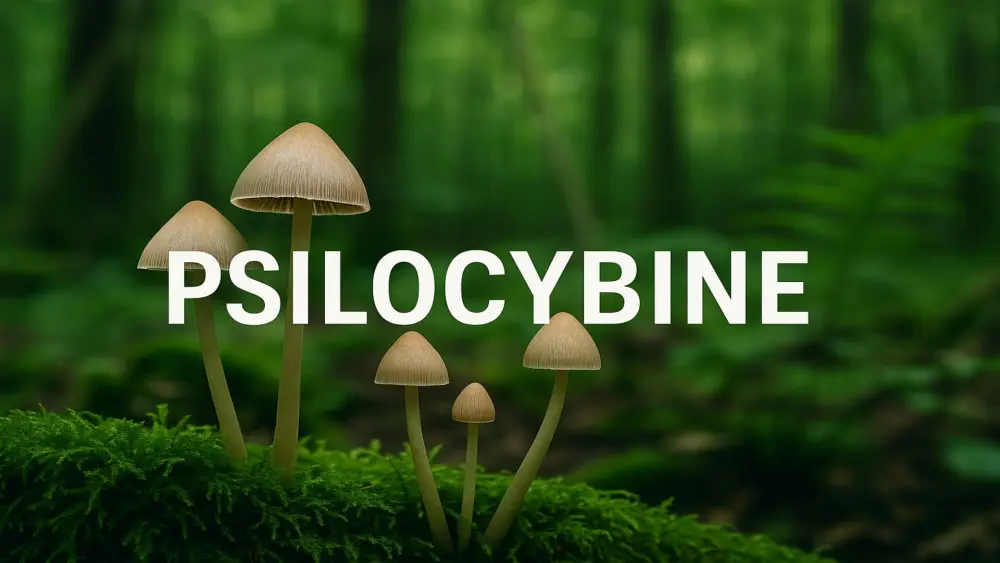
1. Psilocybin
Psilocybin has been extensively studied as a treatment for depression, anxiety, and existential distress in terminal illness. Various studies show that psilocybin-assisted therapy can lead to significant improvements in depression scores, as seen in this 2024 study by Salvetti et al. These therapies are conducted exclusively in controlled clinical environments under the guidance of trained medical professionals. One participant described the experience as “life-changing, offering deep insights that helped me understand my depression differently.”
2. Ketamine
Ketamine administered in sub-anesthetic doses via controlled infusions may have antidepressant effects, as shown in this 2022 study by Yavi et al. Sometimes, these effects appear within hours. Ketamine is now clinically used for treatment-resistant depression. A patient told Harvard Gazette: “After years of failed treatments, I finally felt lighter after the first session.”
3. MDMA
MDMA, when combined with psychotherapy, has shown promising results in the treatment of PTSD in clinical trials. This approach, known as MDMA-assisted therapy (MDMA-AT), is used exclusively in controlled research or clinical environments under professional supervision. As described by Mitchell et al. (2023), one veteran with severe PTSD said he “felt connected to his emotions again for the first time in years.”
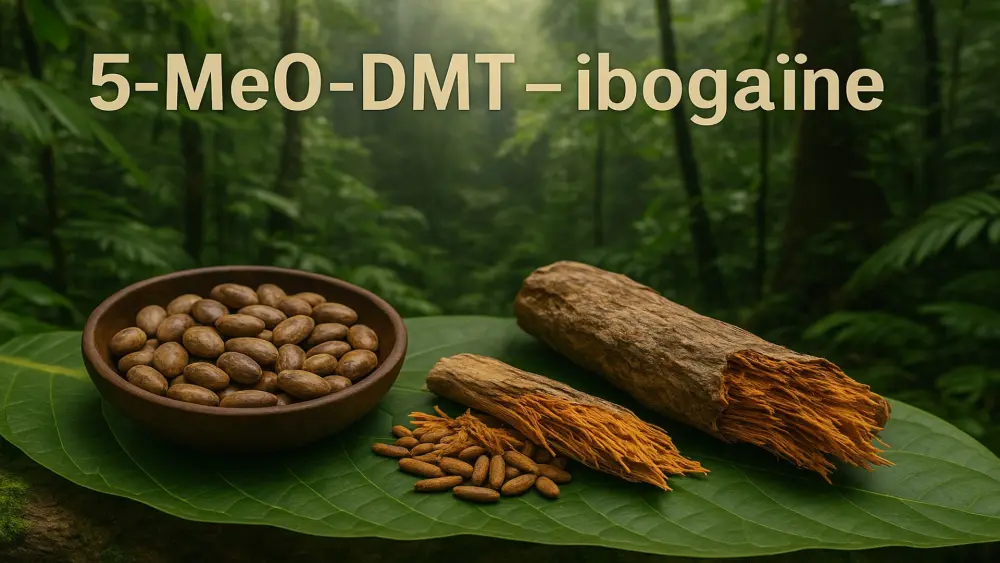
4. 5-MeO-DMT or ibogaine
Some people mention 5-MeO-DMT or ibogaine as ayahuasca alternatives. However, these substances are still under-researched, making it hard to assess their safety or effectiveness. According to a 2024 study by Kwasny et al., there are indications that short-term experiences may have therapeutic potential, but the evidence is limited, and long-term safety remains unclear. Ibogaine has attracted attention for its potential role in addiction therapy, but it carries significant risks and is only studied under strict medical supervision. One clinical study participant described it as “an intense journey, but with professional guidance, I felt safe enough to work through my addiction.”
5. Breathwork
Holotropic breathwork, guided breathing practices, and intensive breath sessions can induce deeply transformative experiences without substances. According to a 2023 study by Fincham et al., breath work may positively impact stress and mental well-being. Although it is not a pharmacological treatment, it is best practiced under the supervision of certified facilitators. One participant said: “I was amazed by how much emotional processing I experienced, just through breathing.”
There are several serious alternatives to ayahuasca, such as psilocybin, breathwork, and MDMA. These options differ in evidence level, risk, legality, and mechanism of action. They should only be used responsibly within controlled clinical or therapeutic settings under professional supervision. User experiences show that, when properly guided, these therapies can have a profound effect. If you’re considering such a therapy, make sure to choose a recognized program or practitioner.
Disclaimer: This article provides general information and is not a substitute for medical advice. Psychedelics and related treatments carry potential risks and are regulated or illegal in many countries. Always consult a doctor or qualified healthcare professional before attempting any medical or psychiatric treatment.
Editorial note:
This article was written by Elke Folkersma and compiled using recent peer-reviewed scientific studies available via PubMed, complemented by practical insights from the wellness field and user experiences in clinical contexts. Elke specializes in making scientific information accessible to a broad audience, but is not a medical professional. Always consult a qualified doctor or healthcare provider for health-related questions.