





Multiple Payment Options ✔️ Fast and discreet shipping ✔️ Customer Service Monday - Friday 10:00 - 16:00 ✔️ Free Goodies
Fast and discreet shipping!

THE MOST HEARD MYTHS AND FABLES ABOUT MAGIC MUSHROOMS DEBUNKED
In the Netherlands, magic mushrooms are one of the most popular psychedelics, yet many myths and fables circulate about magic mushrooms. For instance, people think that magic mushrooms are addictive and could cause you to suffer from psychosis. The more knowledge you have, the better you know what to expect from a psychedelic drug like magic mushrooms. Below are the most commonly heard myths and fables debunked.
Opinion about magic mushrooms is changing
Not so long ago, people's opinion of psychedelics was downright bad. A change in how people thought about psychedelics followed after the 1960s, when many people used drugs. These drugs were bad and research into their effects and functioning was also inhibited.
This created a fear of everything to do with drugs, including magic mushrooms, which also encouraged the creation of myths and fables. In fact, this is not surprising: psychedelics have a profound effect on people, they induce hallucinations and can cause a bad trip. Yet magic mushrooms are among one of the safest mind-altering drugs and can also bring benefits. Fortunately, opinions about drugs are changing and many people have a more open mind. So time to debunk these myths and fables about magic mushrooms.
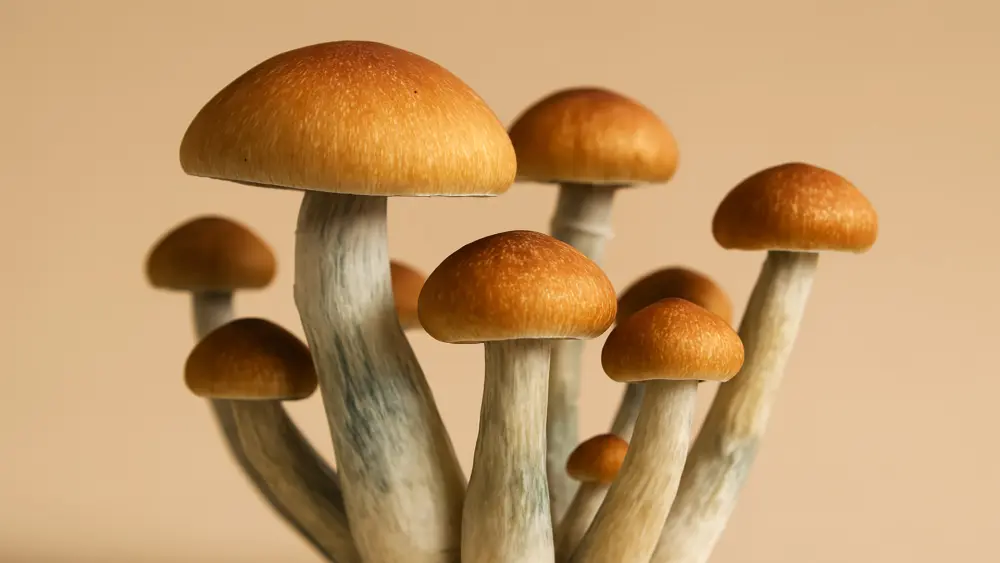
Myths and fables about magic mushrooms debunked
1. Using magic mushrooms cannot bring medical benefits
Traditionally, many people have been convinced that the use of magic mushrooms cannot bring anything good. Yet research seems to indicate that magic mushrooms can also have therapeutic effects. For example, psilocybin, the psychoactive compound in magic mushrooms, may potentially be useful in the treatment of therapy-resistant depression, can provide relief from PTSD and support for addictions.
A comprehensive 2020 review published in the renowned journal Frontiers in Psychiatry discusses the impact of psychedelics - including psilocybin - on various mental disorders such as depression, PTSD and anxiety disorders. This review draws on multiple clinical studies in which controlled administration of psilocybin to patients showed positive results, including long-term reduction of depressive symptoms. Thereby, safety was explicitly investigated: when used responsibly under the guidance of professionals, the risk of serious side effects was found to be very low.
2. Mushrooms are addictive
A number of dangerous drugs are indeed addictive and many people fear that magic mushrooms are too. But we can debunk this myth about magic mushrooms.
A study published in Journal of Psychopharmacology (2016), and available via PubMed, analysed the use of psychedelics such as psilocybin among thousands of respondents. The data showed that magic mushrooms do not cause physical dependence, unlike, say, opioids or alcohol. The brain quickly builds up tolerance after a single use, so repeated use over a short period of time has little effect. This makes it difficult to become addicted. Moreover, the study even suggested that magic mushrooms could potentially help reduce addictions to other substances, such as nicotine or alcohol - although this requires follow-up research.
3. Myths and fables about magic mushrooms: All magic mushrooms are the same
This is another persistent fable. All magic mushrooms are definitely not the same, in fact, there are over a hundred different species of Psilocybe mushrooms. Each species has its own unique mixture of alkaloids, psilocin and psilocybin, which means they can also differ greatly in effects. In doing so, they also differ in appearance and in preferences of where they like to grow. Some species grow well in cool conditions, others in tropical areas.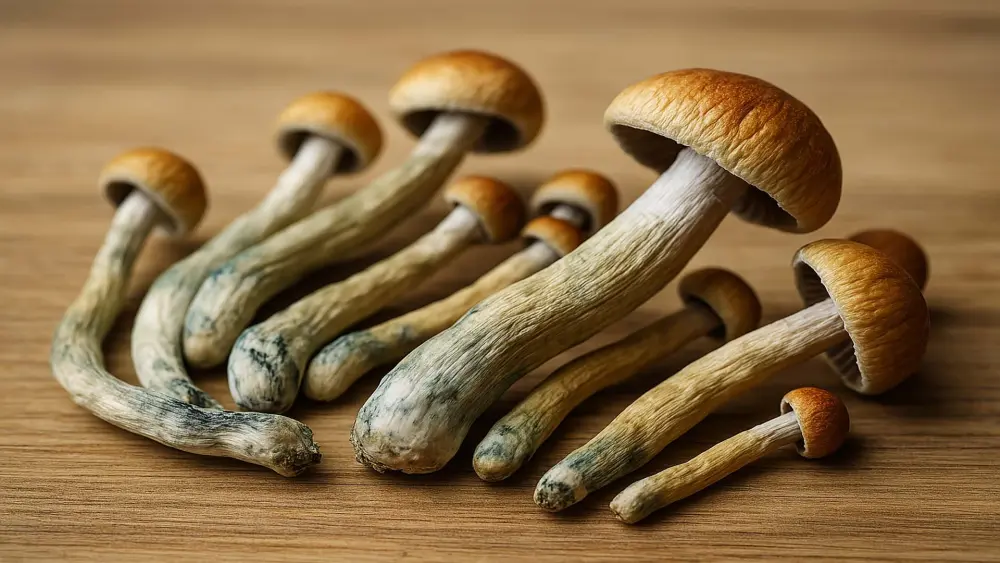
4. Mushroom use can lead to permanent psychosis
There are several reasons people fear that magic mushrooms can cause permanent psychosis. If you are already predisposed to psychosis, various stimuli can trigger a seizure, including a trip with magic mushrooms. People with psychosis would be better off not using psychedelics, as a trip could have unpleasant consequences.
However, there is no evidence that magic mushrooms can cause psychosis in healthy people, and certainly not a permanent one. A bad trip can certainly be an intense experience, where you may experience intense anxiety and paranoia.
Shrooms can also cause fearful events to be relived in a flashback. This can worsen anxieties, which can persist for a long time, also reads Medical News Today.
If you suffer from mental illness, it is wise not to use magic mushrooms. Using magic mushrooms can carry risks, especially if you have mental symptoms.
5. LSD and magic mushrooms have the same effects
The fact that magic mushrooms and LSD are often compared is because the effects in the brain are similar. Both magic mushrooms and LSD produce their effects through their interaction with serotonin receptors. However, the effects do differ. People who have experience with both indicate that a trip with magic mushrooms is less intense than with LSD.
LSD is also known as a relatively safe drug. Yet it is more likely to cause a bad trip. This is because the dosage is very low; you need very little LSD (counted only in micrograms) for a powerful trip. That means there is no room for making a mistake with the dosage. In this, too, LSD differs from magic mushrooms.
Myths and myths about magic mushrooms dispelled
Did you also believe any of these (or more) myths about magic mushrooms? Hopefully, the above explanation has been able to provide some clarity. Although magic mushrooms are one of the safest psychedelics, it is important to always watch out for your own safety. If you want to use magic mushrooms, stick to the recommended dosage. If you are a beginner, choose a mushroom strain with mild effects. And don't trip alone, ask a friend to be a trip sitter.
Mushrooms are not suitable for everyone. If you suffer from mental health problems or are on medication, ask your doctor for advice. This blog is not medical advice and should only be used as a source of information.