







Multiple Payment Options ✔️ Fast and discreet shipping ✔️ Customer Service Monday - Friday 10:00 - 16:00 ✔️ Free Goodies
Fast and discreet shipping!

EXTRACTING CANNABIS CONCENTRATES
The way we use cannabis today has completely changed. The market for extracts has exploded in recent years. While some types of hash have been around for years, many new concentrates have appeared on the market today. Each with its own unique taste, concentrations, and effects. In this article, we will introduce you to the different types of cannabis concentrates and explain the different methods of extracting cannabis concentrates.
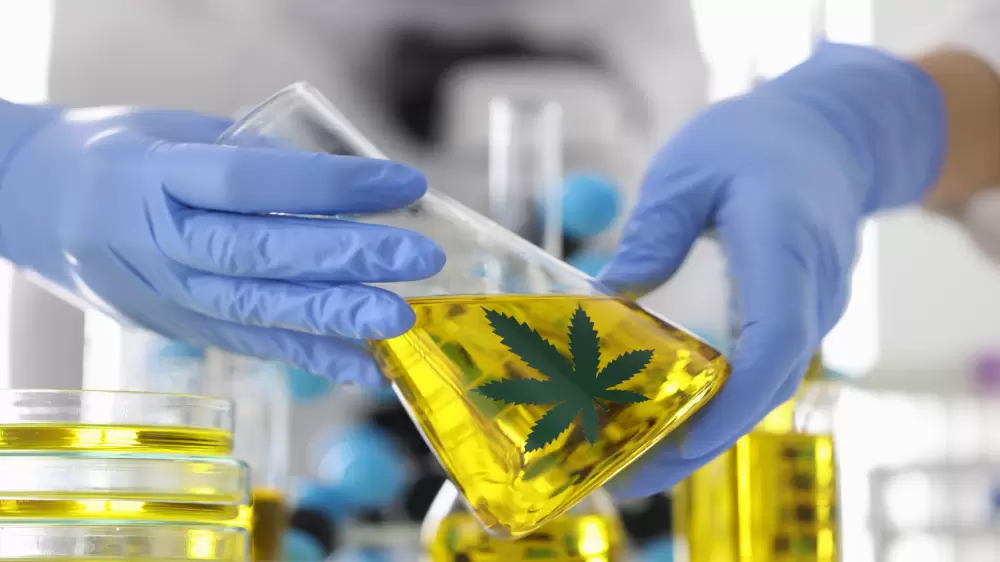
What are cannabis concentrates?
The name says it all, but cannabis concentrates are chemical substances that occur in cannabis by concentrating. You can concentrate these substances in different ways, but with each method the trichomes are separated from the cannabis buds.
To better understand what concentrates are, we introduce a number of basic concepts about the psychoactive elements of cannabis for you.
Cannabinoids
These are chemical compounds that are active in the endocannabinoid system of the human body and brain. The best known are THC and CBD. The composition of cannabinoids largely determines the character of a cannabis plant.
Terpenes
These are organic compounds that occur naturally in insects and plants. The plant's strong scent provides protection from predators and herbivores. The plant is able to amplify and even modify medicinal and psychoactive effects.
Trichomes
The trichomes produce the cannabinoids and terpenes. These are small, sticky crystals that often sit on top of the buds of the cannabis plant. They contain chemicals that make cannabis unique. You have a total of two types of trichomes: the glandular and non-glandular. The glandular trichomes are divided into three types: spherical, capitate-sessile, and capitate-stalked.
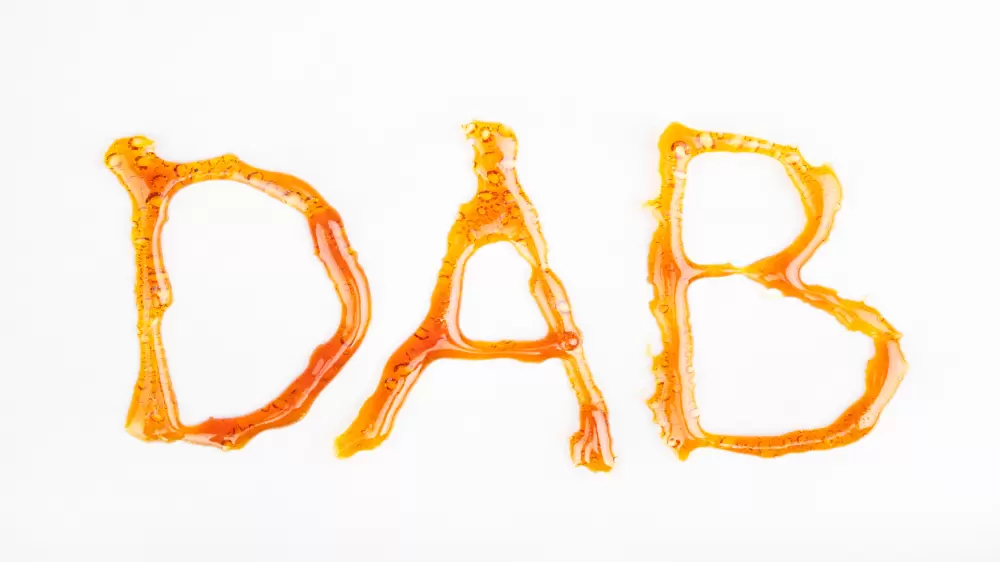
The different types of cannabis concentrates
As we mentioned earlier, many types of cannabis concentrates have appeared on the market today. They come in many different forms, but the biggest difference is in the extracted and non-extracted concentrates. We list the most important ones for you.
Concentrates without solvent
- KIEF: the simplest concentrate consisting of a collection of trichomes.
- Hash : a compressed kief. A classic all over the world and a much-loved concentrate.
- Charas: Similar to hashish, but charas is made from freshly cut buds. Hash has dried buds.
- Bubble Hash: A method that is gaining popularity, where you use water in the concentration process. Bubble hash has a high quality level, is very pure and has a low chance of contamination.
- Rosin Hash: This extracts the resin directly from the raw buds. The end result is often compared to butane hash oil.
Solvent-based concentrates
- Shatter: A solvent-based extraction made without much shaking. It's hard and looks glassy.
- Wax: Made just like shatter, but with a lot of shaking. This results in irregular molecular densities to make wax.
- Budder: A wax with a creamy, buttery texture. An excellent beginner extract that is easy to use.
- Crumble: the crumble wax and sugar crumble that have many similarities with budder. Crumble is just easier to crumble.
- Live Resin: a new extraction method that uses cryogenically-frozen buds as a starting product. Results in a richer taste and provides more health benefits.
- CO2 oil: oil that is rapidly taking over the production of industrial hash oil. With CO2 extraction it is possible to isolate the exact combination of cannabinoids and terpenes that is desired.
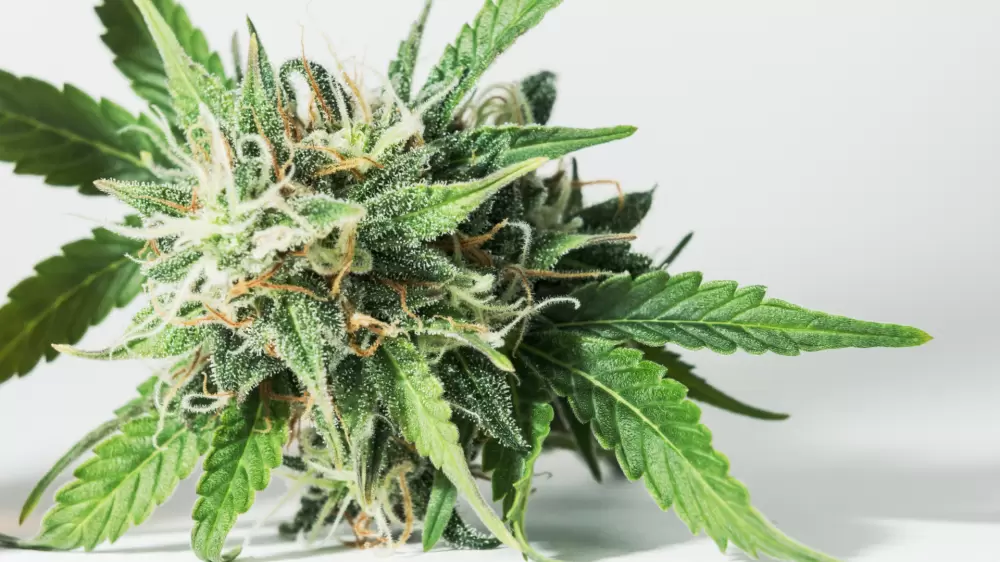
How do you make cannabis concentrates?
When extracting cannabis concentrates you get the best out of a plant and separate it from unwanted plant material. Extracting the active cannabinoids can be done in two ways. Namely with or without the use of hydrocarbons.
Making cannabis concentrates with solvents
To remove the cannabinoids from the plants, carbohydrates are usually used such as butane and propane. This requires a lot of expertise and special laboratory equipment. Butane, propane or other similar substances can cause dangerous situations that require certain safety measures. It is therefore very important when making concentrates that you know exactly what you are doing. You don't want your house to catch fire or burn yourself.
The solvents such as butane and propane ensure that cannabinoids dissolve easily and efficiently. Once separated from the plant, the hydrocarbons are removed from the concentrate through a purification process. This way you are left with a very clean product. However, the concentrate still needs to be purified further. This is done in a vacuum drying oven or a vacuum chamber that you can heat. In this way all residues are removed.
Making cannabis concentrates without a solvent
Cannabinoids can also be extracted with alcohol, carbon dioxide, isopropyl, water or with nothing at all. The dry buds can also be extracted from the cannabinoids with a fine sieve. A safe and clean way to make a concentrate, but unfortunately a lot of resin is lost compared to other methods. Isopropyl alcohol can be poured over the plant material, where it will dissolve the cannabinoids. The solution must then evaporate, just as with the use of hydrocarbons. This process just takes much longer and must be thoroughly tested to ensure that the final product is pure.
The last method we describe is not as common, but it produces the cleanest concentrates. You can also extract cannabinoids with carbon dioxide. You only have to buy the right equipment for this, and this is quite pricey. The extraction method works by heating or cooling the CO2, allowing it to act as a solvent. It is then sucked or pressed through the plant material.
Do you want to know more about cannabis extraction in edibles? Click here!