











Multiple Payment Options ✔️ Fast and discreet shipping ✔️ Customer Service Monday - Friday 10:00 - 16:00 ✔️ Free Goodies
Fast and discreet shipping!

INCREASE YOUR RESISTANCE WITH NATURAL HERBS AND SUPPLEMENTS
A properly functioning immune system is essential for maintaining overall health. The immune system consists of a complex network of cells, tissues, and organs that work together to protect the body against potential pathogens such as viruses, bacteria, parasites, and fungi. It also plays a role in eliminating foreign substances from the body.
In this blog, we explore how the immune system works and highlight several natural substances — including herbs and supplements — that may offer supportive effects according to some studies. It is important to emphasize that this information is intended for educational purposes only and not as a substitute for professional medical advice. Always consult a qualified healthcare provider if you have health concerns or are considering supplement use.
How does the immune system work?
The immune system is a complex network of cells, tissues, and organs that helps defend the body against foreign invaders such as viruses, bacteria, and fungi. When an unfamiliar microorganism enters the body, the immune system can respond by producing antibodies, among other mechanisms. These antibodies can help identify and neutralize the pathogen.
After the first exposure to a virus, the immune system stores specific features of that virus in its memory. During subsequent encounters with the same virus, the body can react more quickly. This contributes to a more efficient immune response, although effectiveness can vary between individuals and circumstances.
The immune system's ability to recognize and respond appropriately to specific threats is a crucial aspect of our natural defenses. Research into viruses and immunity continues to evolve. For personal advice regarding immunity or health concerns, consulting a medical specialist is strongly recommended.
Supporting immune function with natural herbs and supplements
A healthy lifestyle plays an important role in supporting immune function. Key factors include sufficient sleep, regular physical activity, a balanced diet, and avoiding alcohol and/or tobacco. A strong immune system can provide better protection against infections. Natural supplements such as CBD oil, turmeric, galangal (Laos), and vitamin C may offer supportive benefits as part of a healthy — or even less optimal — lifestyle. However, these should be seen as complementary rather than primary sources of immune support.
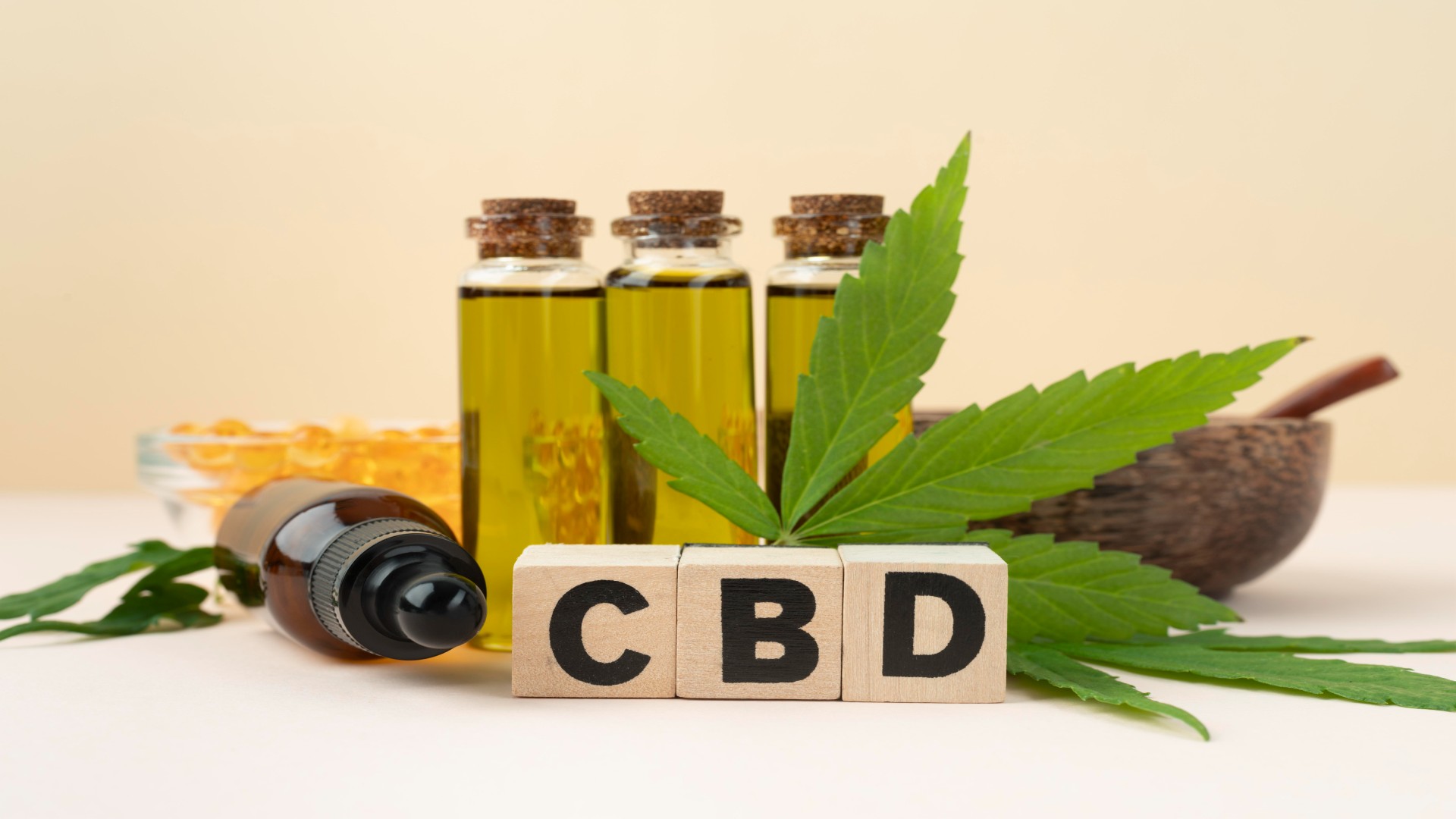
Potential effects of CBD on stress and wellbeing
Cannabidiol (CBD) is one of the main non-psychoactive compounds found in the hemp plant. Unlike THC, CBD does not produce a "high." It is a natural extract that is increasingly being studied for its potential effects on relaxation and general wellbeing.
Some studies suggest that CBD may have anti-inflammatory properties and could play a role in reducing stress and supporting sleep. These effects may indirectly benefit the immune system, as chronic stress and lack of sleep are known to weaken immune function. However, current scientific evidence regarding the direct impact of CBD on the human immune system remains limited.
CBD products should always be used with caution, especially in individuals with existing health conditions or those taking medications. It is advisable to consult a physician or pharmacist before starting CBD or any new supplement.
CBD (Cannabidiol)
Title: Cannabidiol as an Immune-Modulating Agent: Promising Therapeutic Applications
Summary: This review outlines how CBD may reduce inflammation by suppressing pro-inflammatory cytokines such as TNF-α and IL-6, and by regulating immune cells like T-lymphocytes and macrophages.
PubMed link: https://pubmed.ncbi.nlm.nih.gov/33127649
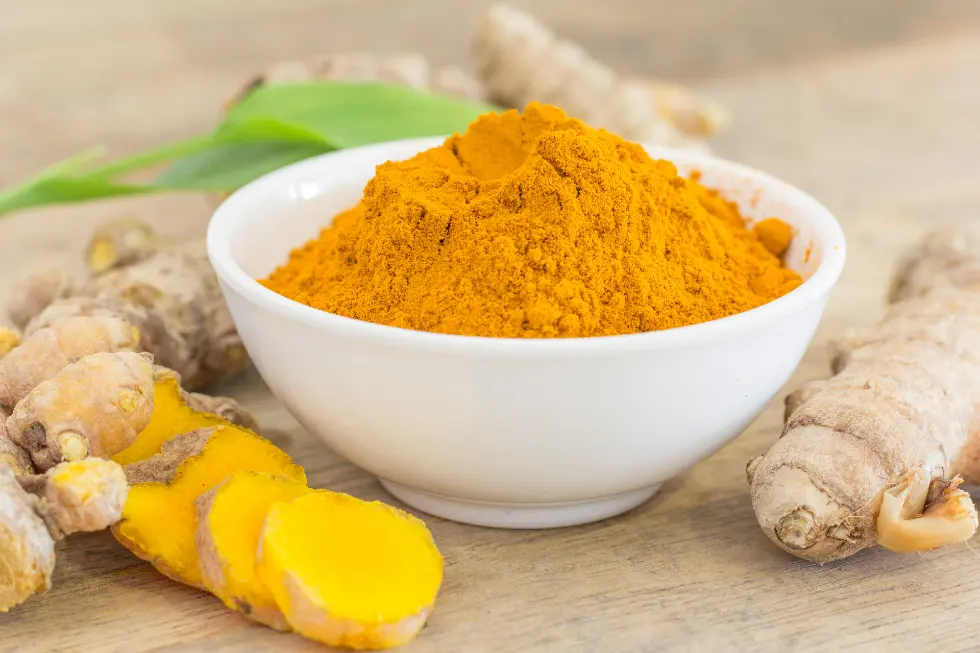
Turmeric as a traditional herb with potential benefits
Turmeric has a rich and ancient history in India, where it has been used for medicinal purposes for thousands of years. Ancient Sanskrit texts describe turmeric as a remedy following the consumption of contaminated food. Turmeric contains antioxidants that may help neutralize free radicals. As such, it could play a supportive role in immune function, although further research is needed to confirm these effects.
Turmeric (Curcumin)
Title: The effect of curcumin on immune response: A literature review
Summary: Curcumin modulates immune response via the NF-κB and MAPK pathways, reduces inflammation, and may offer protection in autoimmune conditions.
PubMed link: https://pubmed.ncbi.nlm.nih.gov/31846577
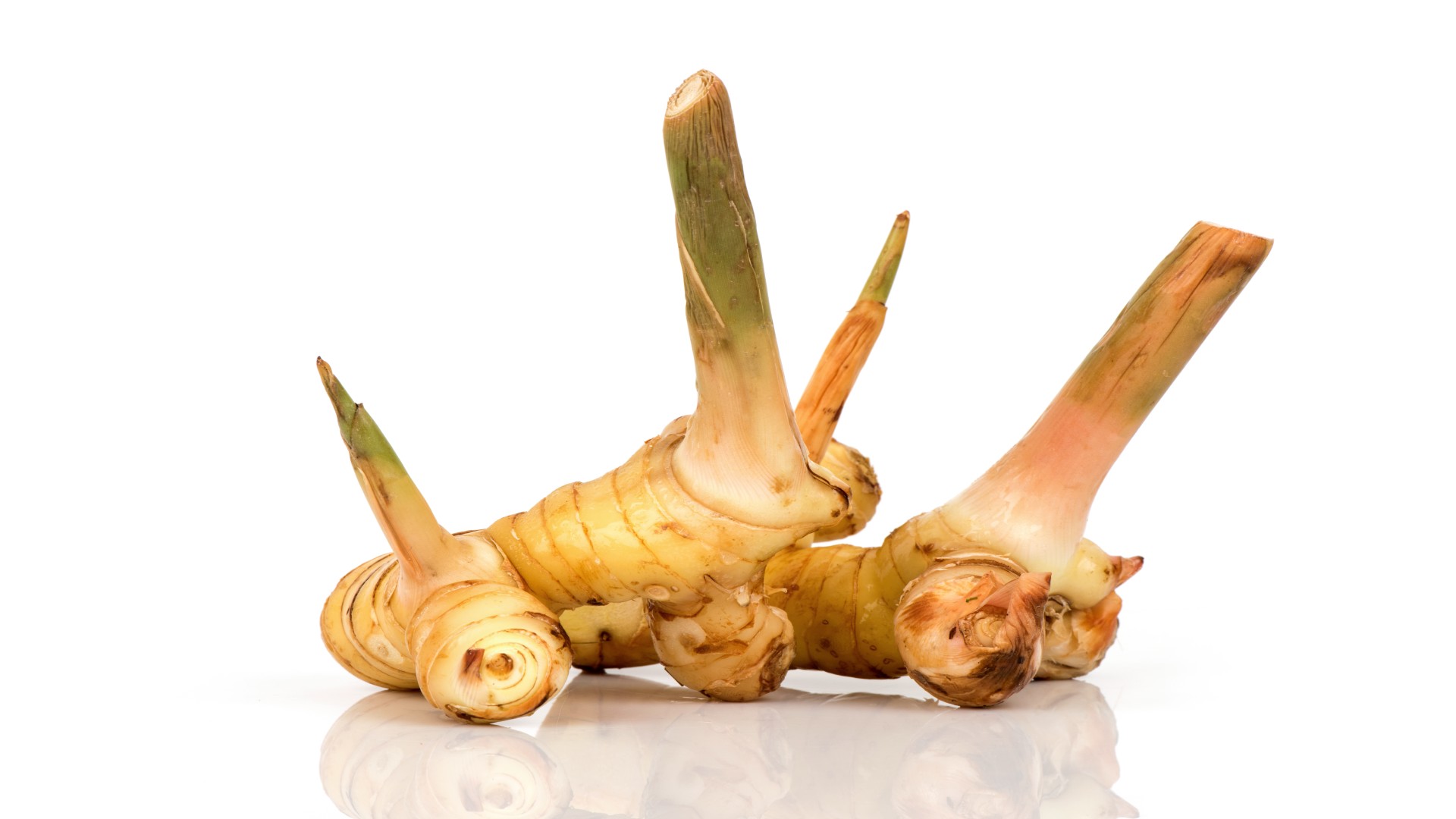
Galangal in historical use and modern interest
Alpinia galanga is a tropical plant native to Southeast Asia. The root (commonly known as Laos) is popular in Indonesian and Thai cuisine. Related to ginger, galangal contains compounds with anti-inflammatory and antioxidant properties. Although these effects have been observed in laboratory settings, there is currently no medical evidence that galangal is suitable for treating serious conditions such as cancer. Small amounts may contribute to general wellbeing, but should be used responsibly.
Galangal (Alpinia galanga)
Title: Anti-inflammatory effect of Alpinia galanga extract on acute and chronic inflammation models in rats
Summary: Animal studies show that Alpinia galanga extract reduces inflammatory markers and swelling, suggesting potential immune-modulating effects.
PubMed link: https://pubmed.ncbi.nlm.nih.gov/20112878
Vitamin C and its role in immune function
Vitamin C, or ascorbic acid, is an essential nutrient involved in various bodily functions, including normal immune response. Scientific literature indicates that vitamin C supports the barrier function of the skin and contributes to the activity of certain immune cells, such as neutrophils and lymphocytes.
A prolonged deficiency in vitamin C may lead to decreased immune resilience, making the body more susceptible to infections. Additionally, vitamin C aids in the absorption of iron from plant-based foods — a nutrient vital for the production of red and white blood cells, which are key components of the immune system.
As an antioxidant, vitamin C helps protect cells from oxidative stress. Research on its role in immunity and infection resistance is ongoing. If you are considering vitamin C supplementation — especially in high doses — it is advised to consult a healthcare professional, particularly if you have existing health conditions.
Vitamin C
Title: Vitamin C and Immune Function
Summary: This review explains how vitamin C is essential for the skin's barrier defense, phagocytosis by neutrophils, and cell-mediated immunity. It also supports the apoptosis and clearance of used immune cells.
PubMed link: https://pubmed.ncbi.nlm.nih.gov/29099763
Interested in products?
Here’s a small selection:
Medical disclaimer
The information provided in this blog is for educational and informational purposes only. It is not intended as a substitute for professional medical advice, diagnosis, or treatment. Always seek the guidance of your physician, pharmacist, or other qualified healthcare provider with any questions you may have regarding a medical condition or supplement use.
Do not use supplements or herbs as a replacement for a varied diet or standard medical care. Some substances, such as CBD or high doses of vitamin C, may interact with medications or existing health issues. Always consult your doctor before starting any new supplement.