









CAN CBD WORK AS A PAIN KILLER?

Can CBD be used as a pain reliever? When you suffer from chronic pain, you often have no option but to take painkillers. This makes it possible to control the pain, so that you can do your normal daily activities. Painkillers can be very effective, but a disadvantage is that they can have side effects.
Read in this blog what is known about CBD for pain and what the possibilities are.
The effect of CBD
CBD (cannabidiol) is one of the many cannabidoids produced by the hemp plant. Other known cannabidoids are CBG, CBC and THC. The latter has a psychoactive effect, but CBD does not. These plant substances can work together with our own body, via the endocannabinoid system (ECS).
This system has the function of maintaining the balance in the body. It does this by regulating all kinds of processes, such as appetite, emotions, the experience of pain stimuli, resistance and digestion. CBD can affect the ECS by binding to receptors. In this way, CBD can, for example, make a cell more or less sense of pain stimuli. This is where the pain-relieving properties of CBD come from.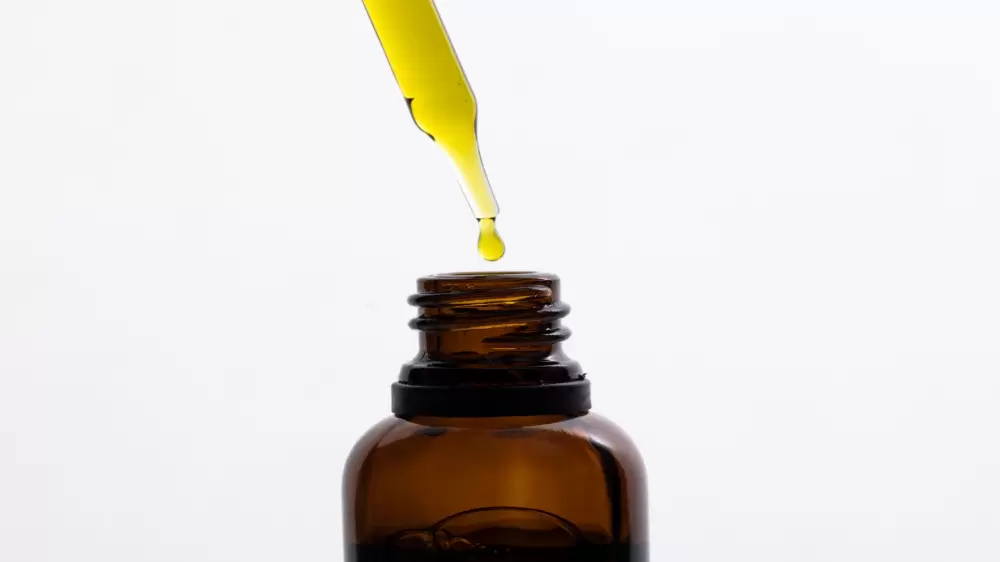
How do we use CBD?
You can take CBD in different ways. The most commonly used supplement is CBD oil. This is easy to use, the oil can be dripped under the tongue and is quickly absorbed by the body. However, there are other options, such as CBD Hash, CBD capsules, CBD crystals, and CBD edibles. These CBD products are also excellent for use with pain.
The possibilities of CBD for migraine
Unfortunately, not much research has been done into the possibilities of CBD for migraine. But CBD can potentially relieve the muscle and joint pain that often accompanies migraines. In addition, new research shows that migraines may be a result of the condition Clinical Endocannabinoid Deficiency (CECD). The body produces too few endocannabinoids, which prevents the ECS from doing its job properly.
Doctor Russo, director of the International Cannabis and Cannabinoids Institute, has already written several papers on this. In 2016, he shared new data on his study to CECD. During the study, cerebrospinal fluid was collected from patients with migraine. It turned out that the composition of the liquid was different, especially in the levels of anandamide. This is a neurotransmitter known as the happiness hormone. It affects your mood, but also appetite and pain.
Cannabinoids play a role in mood, pain perception, blood pressure and inflammation. So it is certainly possible that CECD is a possible cause of migraines. Russo continues to actively research this condition and hopefully more will become clear about the link between the ECS, cannabinoids and migraines. In the meantime, it's worth checking out if CBD can relieve some of your symptoms.
CBD for arthritis
Can CBD help with arthritis? From research from 2016 shows that this could well be done. Scientists applied CBD gel to affected joints of rats. They were given 0.6, 3.1, 6.2 or 62.3 mg per day. After the treatment, the swelling of the joints appeared to decrease and the rats had less pain. The animals had no side effects.
It was also striking that the rats had less pain with all doses. That means that a dosis of 6.2 mg was just as effective in reducing pain and swelling as the highest dose. The dose of 62.3 mg (which equates to 10 times as much) was thus actually redundant, because it did not lead to a greater reduction in pain. From this research, the scientists conclude that CBD has a therapeutic potential to be used for pain and inflammation from arthritis.
Opting for CBD for pain
Whether CBD is effective for all types of pain not clear. It is important that more research is done into the possibilities. But this natural remedy certainly has a lot of potential, according to the available studies. The big advantage is that it has few side effects (most often mentioned a decrease in appetite and fatigue).
CBD works together with your body to restore balance. If you want to try CBD, you can choose from different options. Are you already taking painkillers or other medication? Then first consult with your doctor whether you can use CBD safely. CBD can influence the effect of some medicines.